

India's Next Challenge: Moving Beyond Food Security to Nutritional Well-being
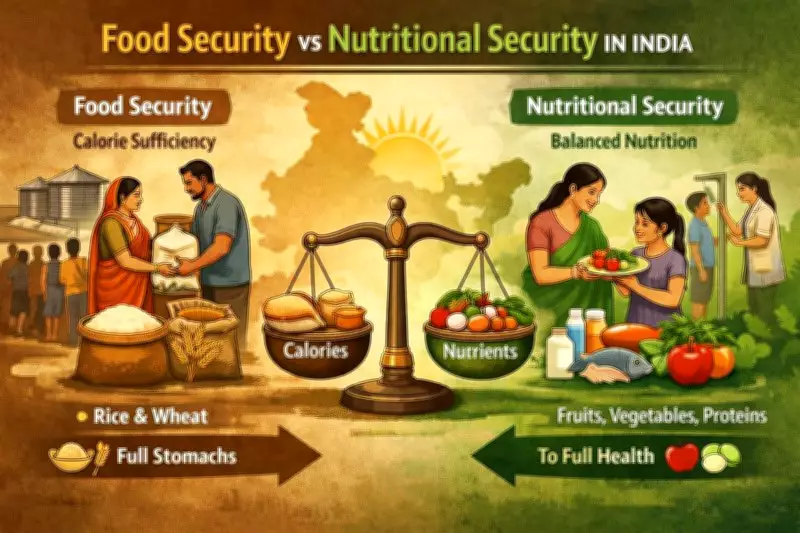
India has made remarkable strides in ensuring that its vast population does not suffer from hunger. Through robust initiatives like the National Food Security Act (NFSA) and the Public Distribution System (PDS), millions of citizens receive subsidized food grains on a monthly basis. These programs have been instrumental in providing calorie sufficiency and reducing starvation across the nation.
The Critical Question: Is Food Enough for Nutrition?
However, a pivotal question now emerges: Is merely providing enough food equivalent to ensuring adequate nutrition? As India strengthens its food distribution infrastructure, the real and pressing challenge lies in transitioning from basic calorie sufficiency to achieving true nutritional security. This shift is essential for addressing hidden hunger and promoting overall health.
Nutritional security goes beyond just filling stomachs; it involves access to a balanced diet rich in essential vitamins, minerals, and proteins. While food security programs have successfully tackled hunger, they often focus primarily on staples like rice and wheat, which may not meet all nutritional needs. This gap can lead to deficiencies and related health problems, even in populations with sufficient food intake.

The Need for a Comprehensive Approach
To move forward, India must integrate nutritional considerations into its existing food policies. This could involve:
- Enhancing the diversity of foods distributed through PDS to include pulses, oils, and fortified items.
- Promoting awareness about healthy eating habits and dietary requirements.
- Strengthening linkages between agriculture, health, and nutrition sectors to ensure a holistic approach.
The journey from food security to nutritional security is complex but necessary for sustainable development. As the country evaluates its readiness for this next stage, it must prioritize policies that not only feed people but also nourish them effectively.






