India is facing a silent epidemic of hypertension, driven largely by hidden salt in processed foods and the convenience-centric diets of younger generations. With the World Health Organization (WHO) introducing stricter global limits on sodium intake, public health experts are raising alarms about the role of packaged snacks, ready-to-eat meals, and food delivery apps in pushing Indians into the hypertension risk pool.
The Growing Threat of Hypertension in India
Hypertension, or high blood pressure, is a leading cause of cardiovascular diseases, stroke, and kidney failure. In India, the prevalence of hypertension has risen sharply, with an estimated one in three adults affected. What is particularly concerning is the increasing incidence among younger adults, who often rely on processed and restaurant foods high in hidden salt.
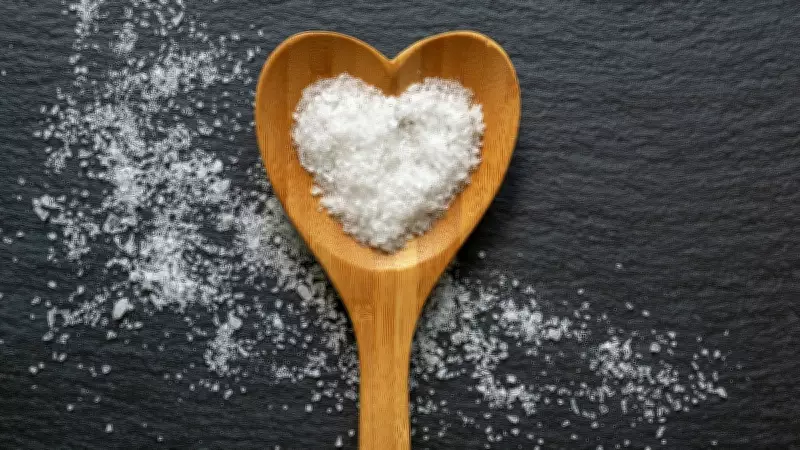
According to a public health strategist, the average Indian consumes nearly double the recommended daily sodium intake. The WHO recommends less than 2,000 mg of sodium per day (about 5 grams of salt), but most Indians consume 3,000–5,000 mg daily, largely from hidden sources in processed foods.

Hidden Salt: The Invisible Culprit
Hidden salt is found in a wide range of processed foods that may not taste particularly salty. These include bread, breakfast cereals, cheese, sauces, pickles, chips, instant noodles, and even sweet biscuits. Food delivery apps have further exacerbated the problem by making high-sodium restaurant meals easily accessible.
The strategist explains that many consumers are unaware of the sodium content in these products. "People think they are eating healthy because they avoid adding salt at the table, but they don't realize that the processed foods they consume are loaded with sodium," she says. "This hidden salt is a major driver of hypertension, especially among urban youth who rely on convenience foods."
WHO's Stricter Global Limits
In response to the global burden of hypertension, the WHO has introduced new, more stringent sodium reduction targets for food manufacturers. These benchmarks aim to reduce sodium levels in 60 food categories by 2025. India, as a signatory to the WHO's Global Action Plan, is expected to implement these targets, though enforcement remains a challenge.
The public health strategist emphasizes that while individual dietary changes are important, systemic action is crucial. "We need mandatory front-of-pack labeling, reformulation of processed foods, and public awareness campaigns to help people identify hidden salt," she says.
Impact on Younger Generations
The rise of food delivery apps and the popularity of fast food have made young Indians particularly vulnerable. A study found that meals ordered through delivery apps often contain more than 2,000 mg of sodium per serving, exceeding the daily recommended limit in a single meal.
This trend is alarming because early exposure to high-sodium diets can lead to hypertension in young adulthood, increasing the risk of heart attacks and strokes later in life. The strategist stresses that prevention must start early, with schools, workplaces, and communities promoting healthier food options.
What Can Be Done?
Addressing the hidden salt problem requires a multi-pronged approach:
- Regulatory Measures: The government should enforce sodium reduction targets and mandate clear labeling of sodium content on packaged foods.
- Industry Reformulation: Food manufacturers must reduce salt in their products gradually to allow consumer taste preferences to adjust.
- Public Awareness: Campaigns should educate consumers about reading nutrition labels and identifying high-sodium foods.
- Healthy Alternatives: Restaurants and food delivery platforms should offer low-sodium options and highlight them on menus.
The public health strategist concludes, "We cannot rely solely on individual willpower. The food environment must change to make healthy choices the easy choices."

A Call to Action
With hypertension becoming a major public health crisis in India, the time for action is now. The WHO's stricter limits provide a framework, but implementation at the national and local levels is essential. By tackling hidden salt in processed foods and promoting healthier diets, India can curb the rising tide of hypertension and protect the health of its younger generations.