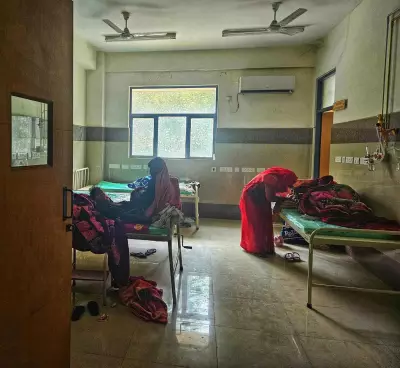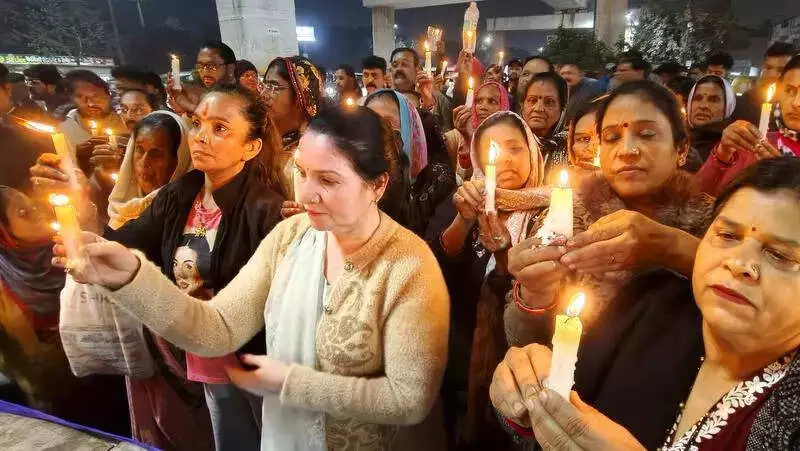
The Indore bench of the Madhya Pradesh High Court has strongly criticized the state government and the Indore Municipal Corporation (IMC) for their handling of the recent contaminated water tragedy. On Tuesday, the court termed reports submitted by the authorities as "insensitive" and emphasized that the issue extends beyond Indore city, tarnishing the reputation of one of India's cleanest cities.
Court Expands Scope, Demands Top Official's Presence
A division bench comprising Justice Vijay Kumar Shukla and Justice Alok Awasthi declared that the petitions concerning the water crisis are not limited to Indore alone but are a matter of concern for the entire state. The bench has directed the Madhya Pradesh Chief Secretary to appear via video conference on January 15 to explain the steps being taken to prevent similar incidents across Madhya Pradesh.
The court was hearing multiple Public Interest Litigations (PILs) and individual petitions related to the water contamination in Indore's Bhagirathpura and other IMC areas. The petitions, filed through Indore High Court Bar Association president Ritesh Inani and other lawyers, alleged negligence, mismanagement, and a lackadaisical attitude by the administration, which led to casualties.

A Systemic Failure and a National Disgrace
The bench observed that the incident has brought a bad name to Indore nationally and globally. "This incident has brought a bad name for Indore which is one of the clean cities of the country. It has become news all over India and the world because contamination of water itself is a curse on society," the judges stated.
During the hearing, advocate Ritesh Inani informed the court that despite a December 31, 2025 order directing authorities to supply clean water and provide medical treatment, contaminated water continued to reach affected areas. He argued that residents had lodged complaints even before the tragedy, but no action was taken.
Senior advocate Ajay Bagadia revealed a shocking failure in infrastructure and monitoring. He submitted that a 2022 order by the mayor-in-council for laying new drinking water pipelines was never executed due to the non-disbursement of funds by IMC officials. More alarmingly, he cited a 2017-18 Madhya Pradesh Pollution Control Board report which found that 59 out of 60 water samples collected from various locations in Indore were non-potable. Despite this red flag, no preventive or corrective measures were initiated.
Court's Seven-Point Action Plan and Immediate Directives
The bench categorically stated that the right to life under Article 21 of the Constitution includes the 'right to clean drinking water' and classified the situation as a public health emergency. It categorized the issues into seven heads for comprehensive action:
- Immediate and emergency directions
- Preventive and corrective measures
- Inquiry and accountability
- Disciplinary and penal action
- Compensation for victims
- Directions to local bodies
- Public awareness and transparency
The court issued several immediate orders:
- Supply of safe drinking water via tankers and packaged water at government cost to affected areas.
- Immediate stoppage of water from contaminated sources, including specific pipelines, overhead tanks, and bore wells.
- Setting up health camps and medical screening for affected residents, with free treatment in government and empanelled private hospitals.
On technical measures, the court mandated:

- Water quality testing at multiple points by NABL-accredited labs.
- Replacement or repair of pipelines, especially where sewer and water lines run parallel.
- Installation of online water quality monitoring systems.
- Strict chlorination and disinfection protocols.
- Development of a long-term water safety plan for Indore.
The court made compliance mandatory before the next hearing and tasked a committee of senior officials—including the Indore commissioner, collector, municipal commissioner, and health officers—with ensuring strict adherence. The state government and IMC have been directed to produce files related to pipeline tenders and the 2017-18 pollution report. Issues of inquiry, accountability, victim compensation, and penal action will be taken up after the authorities file their detailed replies.