

Haryana CM Inaugurates 22 Day-Care Cancer Centres Across All Districts
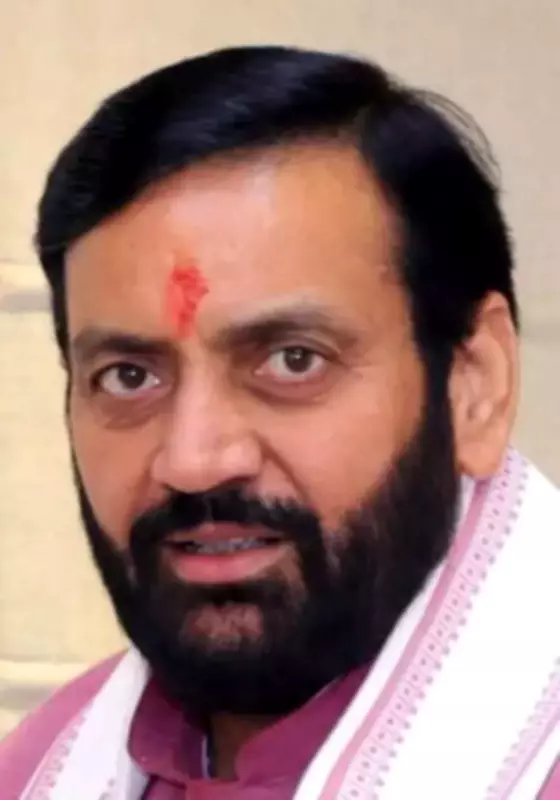
Haryana Chief Minister Nayab Singh Saini on Wednesday inaugurated 22 day-care cancer centres (DCCC) in 17 districts of the state during a ceremony organised at the civil secretariat in Chandigarh. These centres had already been launched in five districts earlier. With today's inauguration, the centres — which will be providing chemotherapy, follow-up treatment, and palliative and supportive care to cancer patients — are now operational in all 22 districts of Haryana, the CM said.
Budget Initiative Fully Implemented
The CM announced this initiative in the Budget for the financial year 2025–26, and the announcement is now fully implemented on the ground. Health and family welfare minister Arti Singh Rao also joined the ceremony through videoconferencing. Saini stated that cancer had emerged as a serious public health challenge across the country.
In view of the growing situation, the health department is providing comprehensive prevention, screening, and treatment services under the National Programme for Prevention and Control of Non-Communicable Diseases (NP-NCD). Regular screening for oral, breast, and cervical cancer is being conducted for individuals aged 30 years and above, he said.

Comprehensive Services at District Level
The CM said people will be able to access chemotherapy, follow-up treatment, palliative and supportive care, and symptom management services within their own districts. Dedicated cancer OPDs, pain and palliative care OPDs, and structured post-treatment follow-up services will be provided free of cost.
These centres will function under a ‘Hub and Spoke' model. PGIMS, Rohtak; National Cancer Institute, Jhajjar; Sarvodaya Hospital, Faridabad; and Atal Cancer Care Centre, Ambala Cantonment; will serve as hubs providing expert guidance to district hospitals.
Significant Cost Savings for Patients
He said providing services at the district level will reduce patients' travel, accommodation, and related expenses, potentially resulting in average savings of up to Rs 3.3 lakh per patient. This will also reduce the burden on major hospitals, enabling them to focus more on complex cases, he said.
The implementation of these centres marks a significant step in decentralising cancer care in Haryana. By bringing essential services closer to home, the state aims to improve accessibility and affordability for thousands of patients battling this disease.
The initiative aligns with national efforts to combat non-communicable diseases and demonstrates Haryana's commitment to enhancing public health infrastructure. With all districts now covered, residents can expect more timely and efficient medical support without the need for long-distance travel.






