Handwashing is one of the simplest and most effective measures to prevent the spread of infections, yet a vast majority of people still perform it incorrectly. According to Dr Deepesh Agrawal, Consultant Physician and Head of Critical Care Medicine at Saifee Hospital in Mumbai, the gap between the habit people think they have and the one that actually works is costing more than we realize.
The Misconception About Clean Hands
Most people associate infection spread with airborne routes such as coughing, sneezing, or crowded spaces. However, a significant proportion of common illnesses travel via contaminated hands touching the mouth, nose, food, or frequently touched surfaces. The common cold, flu, diarrhoea, and typhoid are all transmitted through this route. Yet, the moment hands look clean, most people consider them clean.
According to the CDC, handwashing education and promotion can reduce diarrhoeal illness by 23 to 40%, cut diarrhoeal illness in immunocompromised individuals by 58%, and reduce respiratory infections like the common cold by 16 to 21%. The impact on children is particularly striking: research shows that proper handwashing practices can reduce absenteeism among primary school students due to gastrointestinal illnesses by 29 to 57%.

Soap vs. Water: Why the Difference Matters
There is a common assumption that any handwashing is better than none, and that water alone will suffice in a pinch. Dr Agrawal clarifies: Soap liquefies the outer fatty layer of viruses and bacteria, including influenza and coronaviruses, helping to wash them away, while water only removes visible dirt. As for alcohol-based sanitisers, which many people now use as a default, Dr Agrawal notes they have a limited role. Alcohol-based sanitisers may be helpful if soap and water are not available, but they are not always a substitute for soap and water, particularly if hands are visibly soiled.
Duration and Technique: The Critical Factors
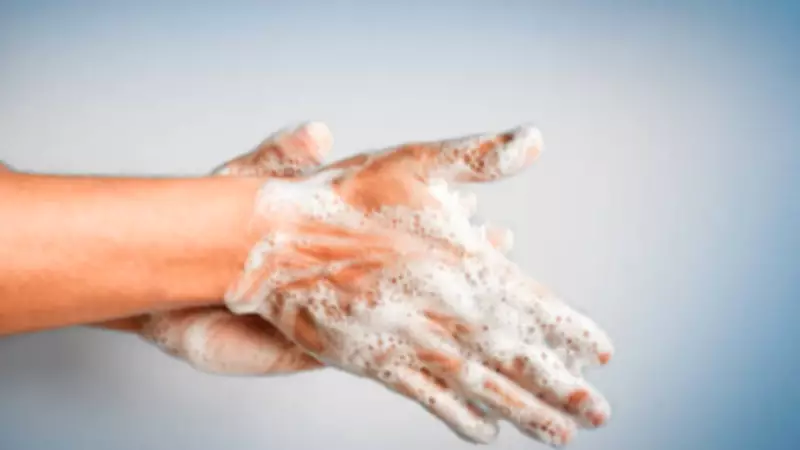
The average handwash lasts only a few seconds, but Dr Agrawal emphasizes that at least 20 seconds of proper washing with friction is required for effectiveness. Certain areas of the hand are almost always missed: the backs of the hands, between the fingers, knuckles, thumbs, fingertips, and wrists. Wet hands can spread germs more easily than dry hands, and damp kitchen or bathroom towels can themselves become a source of reinfection.
When to Wash and Who Needs It Most
Timing is as important as technique. Dr Agrawal identifies the highest-risk moments as: before eating or preparing food, after using the toilet, after coughing or sneezing, after touching a sick person, after handling garbage or animals, and after touching frequently-touched public surfaces. Children are among the most important groups to establish this habit, for reasons that extend beyond their own health. Good hygiene practices in handwashing can help substantially decrease school absenteeism due to diarrhoeal and respiratory diseases and help keep elderly family members at home from getting sick, says Dr Agrawal. In multigenerational households, which remain common across much of India, a child who washes their hands properly is protecting grandparents and infants in the same home.
In conclusion, handwashing education and proper technique can reduce infections by up to 50%, yet most people still do it wrong. By following the correct method, duration, and timing, individuals can significantly lower their risk of illness and protect vulnerable family members.