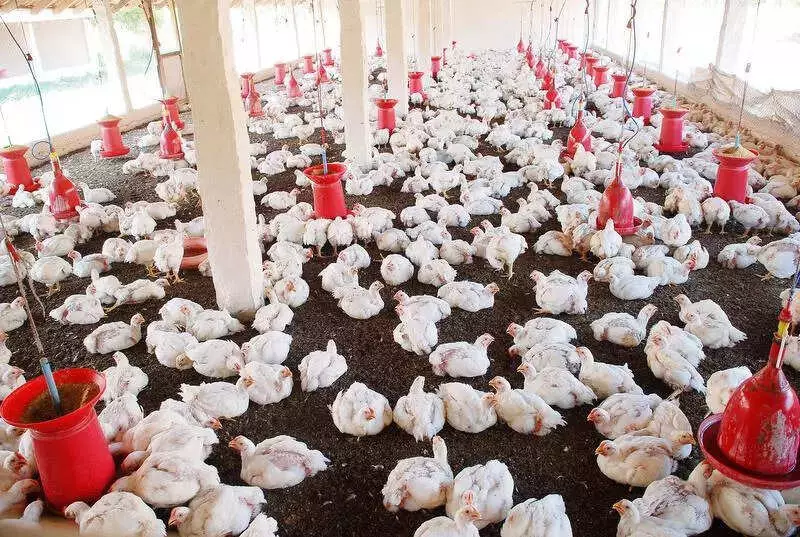
An outbreak of the highly pathogenic bird flu (H5N1) has been confirmed in four panchayats of Kerala's Alappuzha district, triggering immediate containment measures including large-scale culling and sweeping bans on poultry trade.
Immediate Containment Measures Enforced
Following the confirmation on Thursday, Alappuzha District Collector Alex Varghese issued a decisive order. The use, marketing, and transportation of ducks, chickens, quails, and other domestic birds, along with their eggs, meat, droppings (manure), and frozen products, have been strictly banned for one week.
In a critical move to control the spread, scientific culling of all domestic birds within a 1-kilometer radius of the outbreak epicentres was initiated. The operation began on Friday in the Ambalapuzha North and South panchayats. It is scheduled to continue on Saturday in the Karuvatta and Pallipad panchayats.

Scale of the Culling Operation
The scale of the preventive action is significant. Officials estimate that a total of 13,785 domestic birds across the four affected panchayats are slated for culling. Furthermore, in the infected zones within a 1km radius, raising birds will be prohibited for a period of three months after the culling process is completed.
Neighbouring District Acts Swiftly
The alert has extended beyond Alappuzha. In the neighbouring Pathanamthitta district, authorities have taken preemptive action. District Collector S Prem Krishnan ordered a ban on the sale and use of duck, chicken, quail, and other poultry meat, eggs, frozen meat, and manure within a 10-kilometer radius of the Alappuzha epicentre.
This week-long ban, effective from January 9, covers panchayats like Niranam, Kadapra, and Nedumbram in the Thiruvalla taluk. To ensure enforcement, local body secretaries have been instructed to form inspection squads. The Thiruvalla tahsildar is tasked with overseeing the ban's implementation, while food safety officers must ensure banned products are not sold as food items in the restricted zone.
Public Health and Economic Impact
The rapid response underscores the seriousness with which authorities are treating the avian influenza outbreak. While the primary focus is on containing the virus among bird populations to prevent potential transmission, the measures also have immediate economic repercussions for local poultry farmers and traders. The situation is being closely monitored, and further updates are expected as the containment operations proceed.