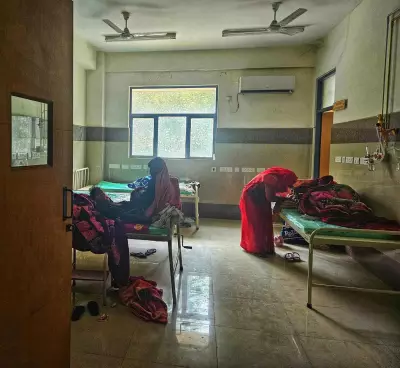
Gaya Health Department Activates Summer Preparedness for Encephalitis and Heat-Related Illnesses
As summer temperatures begin to rise, the health department in Gaya has initiated comprehensive preparations to address the seasonal threats of Acute Encephalitis Syndrome (AES) and Japanese Encephalitis (JE). According to Dr. K. K. Sinha, superintendent of ANMMCH, the hospital has designated 12 beds specifically in the children's ward for treating these potentially fatal diseases.
Infrastructure and Medical Readiness
Dr. Sinha emphasized that beyond immediate treatment, a robust rehabilitation mechanism is fully operational to support patient recovery. He noted a significant decline in encephalitis cases in recent years, attributing this positive trend to enhanced preventive measures, widespread awareness campaigns, and mass immunisation programs targeting vulnerable populations.
There is no shortage of medical staff or essential medications required for AES and JE treatment, ensuring that the healthcare system is well-equipped to handle any surge in cases.

Training and Community Engagement Initiatives
Dr. M. Haque, the vector-borne disease control officer, provided further details on the department's proactive strategies. Block-level training programs are currently being conducted to improve AES control and management. These sessions extend beyond health workers to include:
- Schoolteachers
- Asha workers
- Social activists
- Village-level medical service providers
This community-focused approach aims to build a widespread network of informed individuals capable of identifying and responding to early symptoms.
Mass Immunisation and Heatstroke Prevention
A pilot project for mass immunisation against AES, launched several years ago in the district, has yielded very encouraging results, according to Dr. Haque. Immunisation efforts are now being scaled up, targeting children in the 9-12 months and 16-24 month age groups on a large scale.
In addition to encephalitis, the health department is taking preventive measures to combat heatstroke-related ailments. Provisions such as coolers, air conditioners, and ice packs are being installed at primary health centres across the region to provide relief and treatment during extreme heat conditions.
The coordinated efforts reflect a multi-faceted strategy to safeguard public health during the challenging summer months, leveraging both medical interventions and community involvement to mitigate risks effectively.