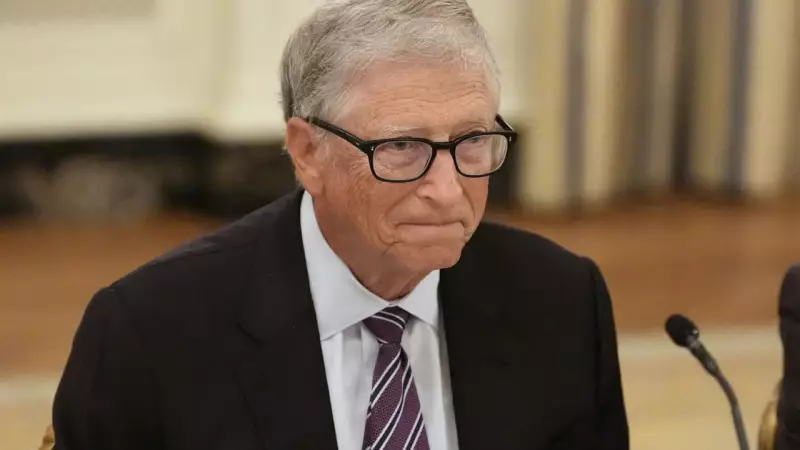
In a sobering assessment of global progress, Microsoft co-founder and philanthropist Bill Gates has released his annual letter for 2026, marking a rare and distressing reversal in a key human health indicator. While maintaining his trademark long-term optimism, Gates sounded the alarm over a critical setback: the number of deaths of children under five years old increased in 2025 for the first time this century.
A Disturbing Reversal in Child Health
Gates, in his letter titled "Optimism with Footnotes," disclosed that after decades of steady decline, child mortality has tragically moved backward. The data shows that deaths among children under five rose from 4.6 million in 2024 to 4.8 million in 2025. This marks the first increase since the year 2000, breaking a 25-year streak of historic progress.
The philanthropist identified the primary driver behind this upsetting trend: a reduction in support from wealthy nations to poorer countries. "This trend will continue unless we make progress in restoring aid budgets," Gates warned. He emphasized that a 20 percent cut in health funding could lead to an additional 12 million child deaths by 2045, underscoring the high stakes of political decisions on aid.

Optimism with Three Critical Footnotes
Despite the immediate setback, Gates' faith in innovation, particularly artificial intelligence, remains unshaken. He believes the "innovation pipeline" will eventually spark a new era of progress. However, this optimism comes with three major conditions that the world must address.
First, the question of generosity: Gates pointed to record wealth disparities and a dwindling sense of global solidarity. He urged wealthy individuals and nations to increase their philanthropy and aid, referencing the Giving Pledge as a positive model. With aid representing less than 1% of GDP even in the most generous countries, he argued that restoring funding is critical.
Second, scaling innovations for equality: Gates highlighted three areas where innovation must be directed to bridge gaps rather than widen them:
- Climate Change: Through his Breakthrough Energy venture, he is investing billions to develop cheap alternatives to emitting activities. He also committed $1.4 billion from the Gates Foundation to help farmers adapt to extreme weather using AI-driven advice.
- Healthcare: While breakthroughs in Alzheimer's, obesity, and malaria offer hope, AI must be used to make healthcare delivery more affordable and accessible globally. The foundation is working on pilots to ensure AI medical tools support even relatively uncommon African languages.
- Education: AI-powered personalized learning can be a game-changer for students and teachers worldwide, a focus of the foundation's education spending.
Third, managing AI's disruptions: Gates acknowledged AI's dual-edged nature. He identified two major risks for the next decade: its use by bad actors for bioterrorism and significant job market disruption. He called for deliberate governance and policies to spread the wealth generated by AI, suggesting the possibility of a reduced work week.
The Path Forward: Foresight and Care
Gates concluded that the next five years will be difficult as the world tries to get back on track. However, he expressed confidence that within the next decade, humanity will not only recover but enter an era of unprecedented progress. The bedrock of his hope lies in two core human capabilities: our ability to anticipate problems and prepare for them, and our innate capacity to care for each other.
He plans to spend much of 2026 advocating for increased funding for global child health, engaging with healthcare workers, religious groups, and diaspora communities. For Gates, the reversal in child mortality is a urgent call to action, reminding the world that progress is not automatic and requires sustained commitment, smart generosity, and a relentless focus on directing innovation toward equality.