

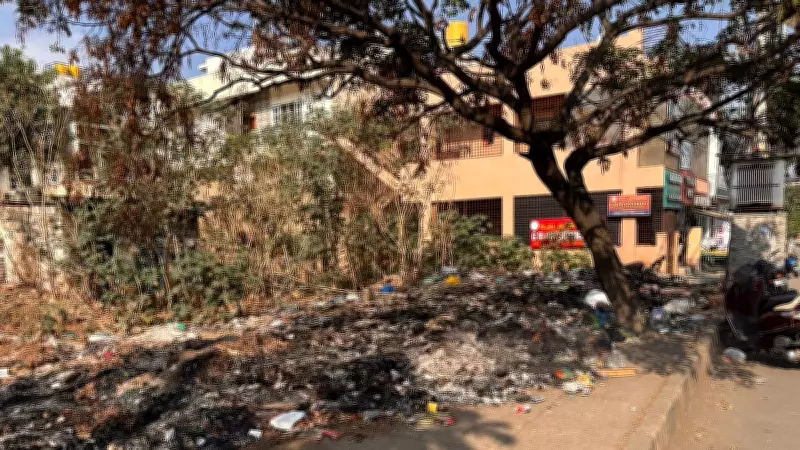
Despite repeated warnings and strict regulations, the practice of burning garbage continues unabated in several parts of Bengaluru, leaving residents gasping for breath and raising serious health concerns. The city, known for its pleasant climate, is now grappling with toxic smoke from illegal garbage fires that have become a common sight in many neighborhoods.
Health Impacts on Residents
Residents in affected areas report a range of health issues, including respiratory problems, eye irritation, and persistent coughing. Children and the elderly are particularly vulnerable. "We cannot even open our windows without being choked by the smoke," said a resident of Koramangala, a locality that has seen a surge in garbage burning incidents. The smoke contains harmful pollutants such as particulate matter, carbon monoxide, and dioxins, which can cause long-term health damage.
Authorities Struggle to Enforce Ban
The Bruhat Bengaluru Mahanagara Palike (BBMP) has imposed a blanket ban on garbage burning, but enforcement remains weak. Officials claim that lack of manpower and resources hampers their efforts. "We conduct regular patrols and impose fines on offenders, but the problem persists due to the sheer volume of waste generated daily," said a BBMP official. The civic body has also launched awareness campaigns, but these have had limited success.

Underlying Waste Management Crisis
The garbage burning issue is symptomatic of Bengaluru's larger waste management crisis. The city produces over 4,000 tonnes of waste daily, but its processing capacity is insufficient. Many residents resort to burning garbage as a quick disposal method, especially in areas where waste collection is irregular. Environmentalists argue that the solution lies in decentralized waste processing and stricter enforcement of segregation rules.
Community Efforts and Alternatives
Some resident welfare associations have taken matters into their own hands, setting up composting units and door-to-door segregation programs. These initiatives have helped reduce the amount of waste sent to landfills and, consequently, the incidence of garbage burning. However, such efforts remain isolated and need to be scaled up across the city.
In the meantime, residents continue to suffer. "We need immediate action. Every day we inhale this toxic smoke is a day we lose from our lives," said a resident of Indiranagar, another hotspot for garbage burning. The BBMP has promised stricter enforcement and improved waste management, but for many, these assurances ring hollow.






