A suspected water contamination crisis has led to a significant typhoid outbreak in Gandhinagar, with health authorities confirming dozens of active cases. The situation has prompted a major response from civic bodies, focusing on containment and infrastructure repair.
Current Status and Official Figures
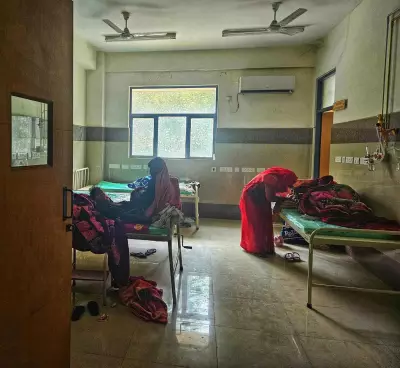
As of Monday, 88 patients are currently undergoing treatment for typhoid at the Gandhinagar Civil Hospital and various Urban Health Centres (UHCs). The Gandhinagar Municipal Corporation (GMC) provided an official update, revealing that the total number of admissions has reached 133 since the outbreak began. Out of these, 45 patients have recovered sufficiently to be discharged. Notably, a large proportion of those affected are children and teenagers.
The civic body moved swiftly to quell public anxiety, directly addressing rumours of a fatal case. In a post on social media platform X, the GMC stated clearly that all hospitalised patients are in stable condition, with no critical cases and no deaths reported from the outbreak.

Source of the Outbreak and Containment Efforts
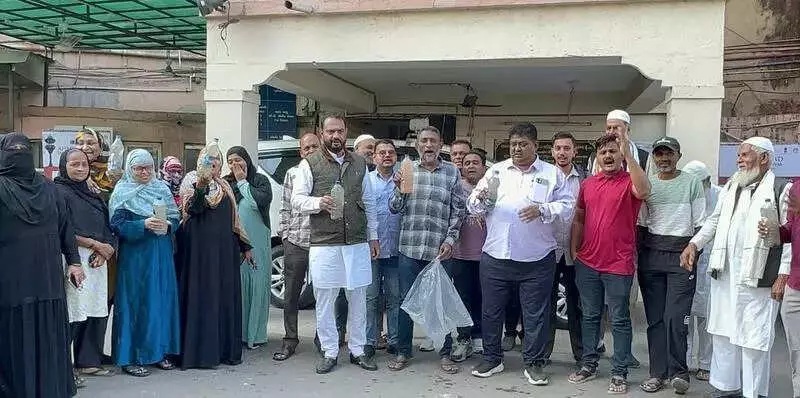
The outbreak, which came to light approximately two days ago, is suspected to have been caused by contaminated water supply. Leakages in pipelines are believed to be the primary source, allowing pollutants to enter the drinking water system. Cases have been concentrated in specific residential areas, namely Sectors 24, 26, 28, and Adiwada.
In response, the GMC and state health department have launched an intensive surveillance and repair operation. Approximately 85 health workers have been deployed from the Sector 24 and 29 UHCs to monitor the situation closely. On the infrastructure front, municipal teams have identified and fixed 31 water pipeline leakages in the affected zones.
Water Safety and Ongoing Monitoring
To ensure the safety of the water supply, the corporation conducted extensive testing. Officials reported that all 531 water samples checked for proper chlorination levels were found to be safe for human consumption. This suggests the contamination was likely localized to points where pipelines were compromised.
The overall situation is being closely monitored by the state health department in coordination with the Gandhinagar district administration. Their combined efforts are focused on preventing further spread of the disease, treating existing patients, and ensuring the integrity of the water infrastructure to avoid a repeat incident. The public has been advised to remain vigilant and report any suspected water leakage immediately.