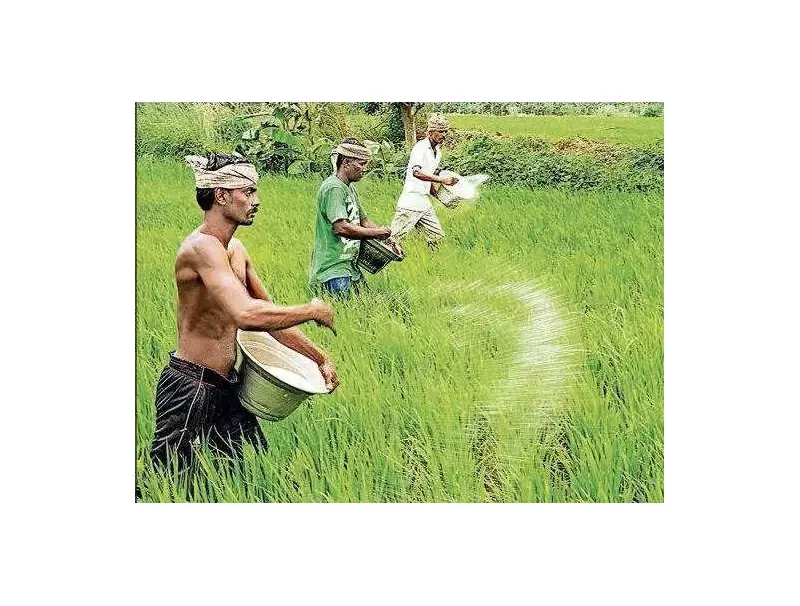
Preliminary data from across Telangana has revealed a concerning agricultural practice: a majority of the state's farmers are applying 50% to 100% more urea than the levels recommended by scientific guidelines for various crops. This widespread overuse, driven by the mistaken belief that it boosts yields, is now raising alarms among agricultural scientists and health experts.
The Misguided Belief and Its Direct Dangers
Professor Aldas Janaiah, Vice-Chancellor of the Professor Jayashankar Telangana Agricultural University (PJTAU), clarified that more urea does not translate to better harvests. This common misconception among farmers is not just ineffective but actively harmful. Scientific studies consistently show that excessive urea leaves harmful chemical residues in the produce, posing a direct threat to human health.
Professor Janaiah elaborated on the severe health implications of consuming crops grown with too much urea. He cautioned that such practices could lead to decreased fertility in animals and may increase the risk of serious diseases like cancer and kidney ailments in humans. He expressed specific concern about the potential impact on youth fertility, a danger highlighted in the ‘Chemical Fertiliser and Health' report released by the United Nations Environment Assembly in 2022.

Long-Term Impact on Soil and Farm Sustainability
The damage extends far beyond the dinner plate. Professor Janaiah explained that urea overuse causes chemical residues to accumulate in the soil, degrading its quality and reducing the availability of essential nutrients to plants. This creates a vicious cycle: weakened plants lose their natural resilience, becoming more vulnerable to pest attacks. Consequently, farmers are forced into a greater dependence on pesticides, further escalating chemical use and costs.
University Launches Crucial Research Initiative
To comprehensively address this public health and agricultural crisis, the PJTAU has announced plans for extensive research. The study will be undertaken by the university's Department of Food and Nutritional Sciences. This research aims to provide concrete, data-driven evidence on the health impacts of chemical fertiliser residues and promote the adoption of balanced, scientific farming practices across Telangana.