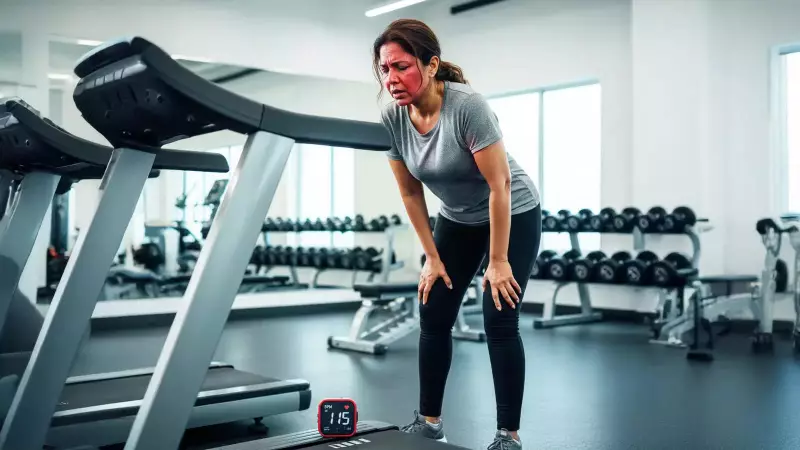
Exercise Intolerance in Young, Healthy Individuals: A Growing Concern
In a surprising trend, young and otherwise healthy people are increasingly reporting intolerance to exercise, with symptoms such as breathlessness and fatigue during physical activity. This phenomenon is not isolated, as cases emerge in urban areas like Delhi, highlighting potential health challenges for the younger generation.
Aditi's Story: A Case from Delhi
Aditi Kurruppu, a 21-year-old resident of Delhi, first experienced breathlessness while exercising approximately eight months ago. Initially, she dismissed it as minor discomfort, but soon, even routine tasks became exhausting. Long hours spent in the kitchen or taking short walks left her equally tired, she recalls. The situation worsened during the winter months, when air pollution levels in the capital surged, exacerbating her symptoms.
"I can manage my daily work, but I cannot overexert myself," Aditi explains, describing how her condition limits her physical capabilities. Medical tests revealed that her lungs are structurally normal, yet doctors diagnosed her with reduced exercise tolerance. This condition means her breathing capacity significantly drops during exertion, despite no apparent structural issues in her respiratory system.

Understanding Exercise Intolerance
Exercise intolerance refers to a decreased ability to perform physical activities due to symptoms like shortness of breath, fatigue, or discomfort. It can affect individuals of all ages, but its occurrence in young, healthy people is particularly concerning. Potential factors contributing to this include:
- Environmental factors: High levels of air pollution, as seen in Delhi, can impair lung function and reduce exercise capacity.
- Lifestyle influences: Sedentary habits or poor fitness levels might play a role in developing intolerance.
- Underlying health issues: Conditions such as asthma or allergies, even if undiagnosed, could contribute to symptoms.
Doctors emphasize that while structural lung problems are often ruled out, functional limitations like reduced breathing efficiency during exercise are key indicators. This highlights the need for comprehensive assessments beyond standard tests.
Broader Implications and Recommendations
The rise in exercise intolerance among young adults in cities like Delhi underscores the impact of environmental and lifestyle factors on public health. Experts suggest:
- Regular health check-ups: Early detection through pulmonary function tests and exercise tolerance assessments.
- Pollution mitigation: Using masks or air purifiers during high-pollution periods to reduce exposure.
- Gradual fitness routines: Building exercise tolerance slowly with guided physical activities.
As more cases like Aditi's come to light, it becomes clear that this issue requires attention from both medical professionals and policymakers to ensure the well-being of younger populations in urban settings.