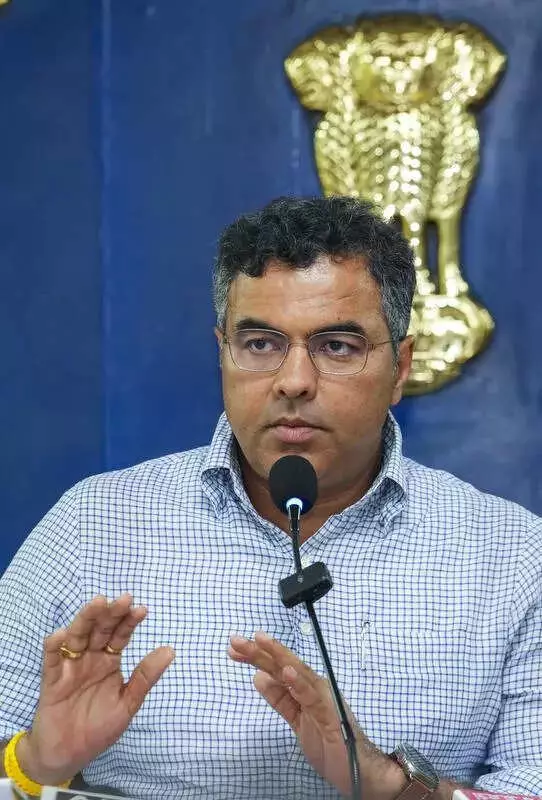
In a decisive move to safeguard public health, the Delhi Jal Board (DJB) has issued a stringent set of instructions demanding zero tolerance towards water contamination across the national capital. This directive comes in the wake of heightened concerns over water safety following a major contamination incident in Indore.
Minister's Directives for Proactive Prevention
Water Minister Parvesh Verma has instructed officials to ramp up inspections of all water pipelines across Delhi. The focus will be on vulnerable stretches where drinking water lines run parallel or close to sewer lines. The order mandates the immediate detection and repair of any leakage, damage, or potential points of cross-contamination to eliminate risks to consumers.
The minister has also ordered the strengthening of continuous water quality monitoring at every stage of the supply chain. This includes checks from treatment plants to distribution zones and right up to consumer endpoints. Frequent sampling and testing must be conducted as per prescribed standards, treating contamination as a serious public health priority.

Strict Timeline for Complaint Redressal
The DJB has set a rigorous two-day deadline for resolving all water contamination complaints. This applies to grievances received through multiple channels:
- The 1916 helpline
- CPGRAM portal
- PGMS system
- LG listening posts
- Offices of public representatives
- Local DJB offices
Furthermore, all pending complaints dating back to April 1, 2025, must be listed immediately. Corresponding work or projects must be planned to ensure their swift resolution.
Massive Sewer Cleaning Drive Launched
To tackle a root cause of contamination, the DJB has initiated a coordinated city-wide drive to clean trunk and peripheral sewer lines. Officials reported deploying a significant fleet for this task, including over 30 super sucker machines and 16 recycler machines.
Divisions have been told to supervise operations closely to maximize output in minimum time. Daily progress reports on the length of sewer lines cleaned must be submitted with supporting photographs and videos.
The order also mandates the prompt, same-day removal of blockages in internal sewer lines using auto-desilting and smaller machines. Simultaneously, rigorous water sampling has been ordered in all areas where contamination complaints were reported in the past month to prevent recurrence.
Enhanced Monitoring and Accountability
The Delhi Test Quality Control (DTQC) wing has been directed to deploy additional staff and hire extra vehicles if necessary to accelerate sample collection and analysis.
Senior officials, including chief and superintending engineers, are now tasked with collecting daily data on contamination cases and their resolution status. A dedicated monitoring cell will be formed to oversee the implementation of all these directives and submit regular reports.
The order concludes with a stern warning: any dereliction of duty at any level will invite strict disciplinary action, underscoring the administration's serious intent to ensure clean and safe drinking water for all Delhi residents.