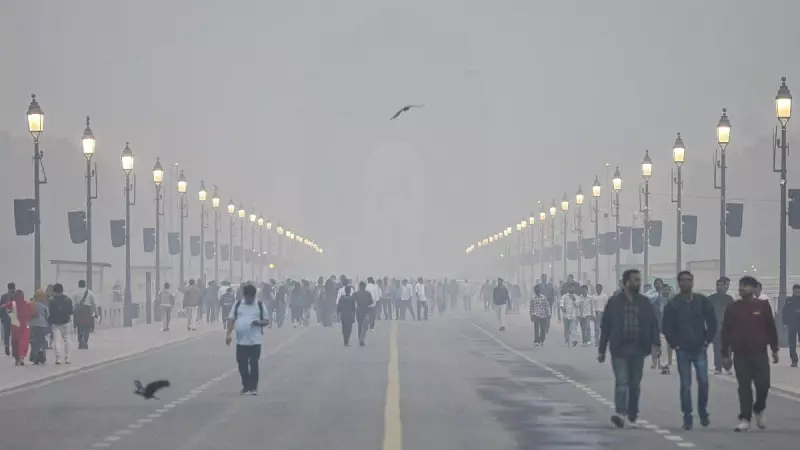
A recent comprehensive analysis of India's air quality has delivered a sobering verdict for the national capital. Delhi has emerged as the city with the highest levels of larger particulate matter (PM10) in the country, while also securing the dubious distinction of being the second most polluted city for the more dangerous fine particulate matter (PM2.5). This data comes from a detailed report analyzing pollution trends and concentrations across urban centers.
The Alarming Findings of the 2025 Report
The report, which scrutinized air quality data from numerous Indian cities, placed Delhi at the pinnacle of PM10 pollution. Following closely behind were the cities of Patna and Muzaffarpur in Bihar, which ranked second and third worst for PM10 concentrations respectively. This indicates a severe air quality crisis not confined to the capital but spread across the Indo-Gangetic plain.
When it comes to the more hazardous PM2.5 pollutants—tiny particles that can enter the bloodstream and cause severe health issues—Delhi was found to be the second most polluted city. The top spot for the worst PM2.5 pollution was claimed by Patna, with Muzaffarpur again appearing in the third position. The report's findings are based on an analysis of data spanning from 2019 to 2023, providing a clear, multi-year trend of persistent pollution.
Experts Point to Systemic Failures and Solutions
Environmental experts have reacted to the report with grave concern, stating that the data exposes a continued failure to implement effective and sustained action plans. They argue that the problem is systemic. Professor S.N. Tripathi of IIT Kanpur and a member of the National Clean Air Programme (NCAP) committee, emphasized that cities need to move beyond temporary emergency measures. He stressed the necessity for robust systemic changes in transportation, industry, waste management, and energy sectors to achieve lasting improvements in air quality.
The report itself aligns with this expert view, highlighting that despite various government initiatives, the reduction in pollution levels has been marginal and insufficient to meet public health goals. The persistent high levels of both PM10 and PM2.5 suggest that source control—tackling the root causes of emissions from vehicles, construction, industry, and biomass burning—remains inadequate.
The Health Imperative and the Path Forward
The implications of these findings are dire for public health. Chronic exposure to high levels of PM2.5 is linked to a staggering range of diseases, including:
- Stroke, heart disease, and lung cancer
- Chronic respiratory illnesses like asthma
- Adverse impacts on cognitive development in children
The report serves as a critical reminder that clean air is not a seasonal agenda item but a year-round public health emergency. It underscores the urgent need for a cohesive, scientifically-backed, and aggressively enforced action plan that transcends city and state boundaries, particularly in the heavily polluted northern belt of India. The health of millions of citizens depends on moving from planning and reporting to achieving tangible, measurable results in pollution reduction.