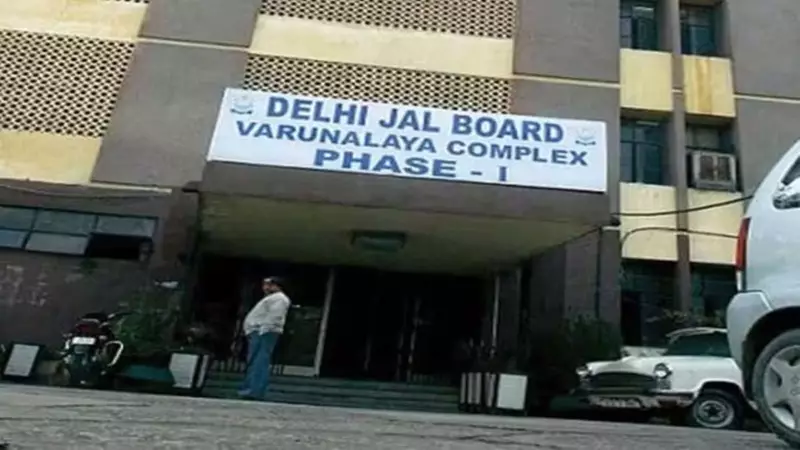
In a decisive move to safeguard public health, Delhi Water Minister Parvesh Sahib Singh has directed the Delhi Jal Board (DJB) to immediately intensify inspections and monitoring of the capital's drinking water supply network. This urgent directive comes in the wake of tragic water contamination incidents in other parts of the country, including fatalities in Indore and a typhoid outbreak in Gandhinagar.
Directive for Enhanced Vigilance and Immediate Action
The minister's order mandates the DJB to strengthen its regular inspection regime, focusing particularly on areas where drinking water pipelines run close to sewer lines. The goal is to detect and repair any leaks, damages, or potential cross-contamination points without delay. This proactive step is aimed at preventing any mixing of untreated water or external pollutants into the potable supply.
Furthermore, the DJB has been instructed to ramp up continuous water quality surveillance. This involves frequent sampling and testing as per established standards at all critical points: water treatment plants, distribution zones, and consumer ends. The board must also ensure a prompt response to public complaints concerning water quality, including issues with odour, taste, or discoloration, with on-ground verification and corrective measures taken swiftly.
Learning from Recent Tragedies in Other States
The minister's order explicitly references recent public health emergencies linked to water safety in two states. In Indore, Madhya Pradesh, at least eight people died between December 24, 2025, and January 6 this year after allegedly consuming contaminated water in the Bhagirathpura area. Initial investigations pointed to a public toilet built without a septic tank over an ageing pipeline. Although the structure has been demolished, authorities are still probing whether contamination spread via local borewell connections.
Simultaneously, a typhoid outbreak in parts of Gandhinagar, Gujarat, has been associated with a suspected leak of drainage water into a drinking water pipeline. These incidents have underscored the critical and urgent need for robust water supply integrity checks across urban centers.
Comprehensive Strategy for Delhi's Water Security
Beyond inspections, the DJB's action plan includes several key measures. Engineers and officials have been directed to conduct periodic infrastructure audits to identify vulnerable sections and prioritize repairs or replacements. Dedicated teams will be deployed for round-the-clock vigilance and maintenance in high-density and vulnerable zones across Delhi.
Minister Singh emphasized that the DJB has already undertaken several important measures in recent months to ensure clean water supply. However, given the critical importance of the issue, these new actions must be implemented immediately and monitored rigorously. The CEO of DJB will personally review inspection reports, resolved complaints, and water quality test results to ensure compliance.
The overarching message is clear: preventing water contamination is a non-negotiable priority. By learning from the tragedies in Indore and Gandhinagar, the Delhi government aims to fortify its defenses and ensure that the capital's residents have access to safe, potable water at all times.