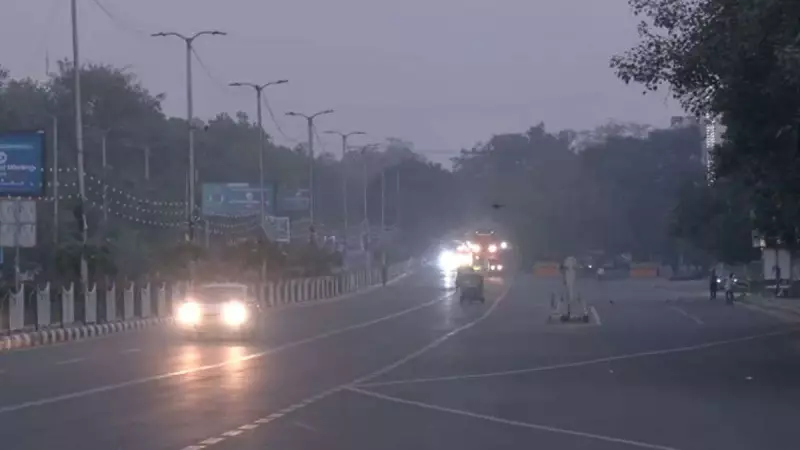
The National Capital Region is grappling with a severe air pollution crisis, with multiple cities recording hazardous air quality levels that pose significant health risks to residents.
Widespread Pollution Across NCR
According to the latest data from the Central Pollution Control Board (CPCB) and System of Air Quality and Weather Forecasting and Research (SAFAR), several key cities in the Delhi-NCR region have entered the 'Severe' air quality category. The alarming readings indicate a pressing environmental emergency affecting millions of people.
City-Wise Breakdown of Air Quality
Noida has reported some of the worst air quality readings in the region, with particulate matter concentrations reaching dangerously high levels. The city's AQI has consistently remained in the severe category, prompting health advisories for vulnerable groups.

Ghaziabad continues to battle toxic air conditions, mirroring the pollution patterns seen in neighboring areas. Local authorities are monitoring the situation closely as residents report visibility issues and health concerns.
Faridabad has recorded similarly concerning air quality metrics, with pollution levels exceeding safe limits by multiple times. The industrial and vehicular emissions continue to contribute to the deteriorating air conditions.
Gurugram, while showing slight variations, remains in the poor to severe categories, completing the grim picture of air quality across the major NCR hubs.
Health Implications and Safety Measures
Medical experts are urging residents to take immediate precautions as exposure to such poor air quality can lead to:
- Respiratory illnesses and aggravated asthma
- Cardiovascular complications
- Eye irritation and skin allergies
- Long-term health damage with prolonged exposure
Health authorities recommend that children, elderly citizens, and individuals with pre-existing respiratory conditions limit outdoor activities and use N95 masks when venturing outside.
Monitoring and Response
The CPCB and SAFAR monitoring systems continue to provide real-time updates on air quality parameters across the region. The data collected from multiple monitoring stations helps in assessing the spatial distribution of pollution and implementing targeted measures.
Environmental agencies are working with local administrations to enforce pollution control measures and monitor compliance with existing regulations aimed at improving air quality in the long term.