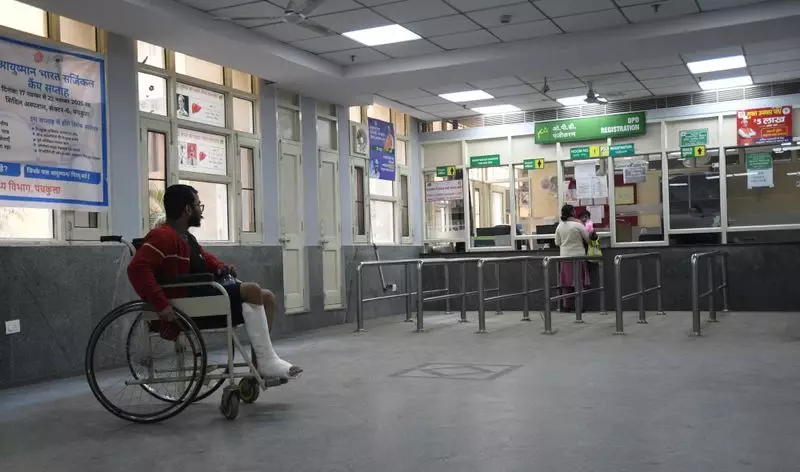
In a significant move aimed at widening the social safety net, the Delhi government has substantially increased the annual income eligibility limit for Economically Weaker Sections (EWS) to avail of free treatment at private hospitals in the national capital. The decision, which promises to bring a larger number of families under the ambit of critical healthcare support, marks a major policy shift.
Enhanced Financial Threshold for Healthcare Access
The key change announced by the government is the revision of the annual income ceiling. The eligibility limit has been raised from the previous Rs 3 lakh to Rs 5 lakh per annum. This adjustment means that families with an annual income of up to Rs 5 lakh can now qualify for completely free medical treatment at empanelled private hospitals across Delhi. The initiative falls under the Delhi Arogya Kosh scheme and other relevant health programs administered by the state.
The decision was formally approved by Delhi's Lieutenant Governor, Vinai Kumar Saxena, following a proposal sent by the city's Health Department. The file for this revision had been pending since 2022, and its approval now sets the stage for expanded healthcare access. Officials have stated that the enhanced limit will be applicable retrospectively, benefiting those who were eligible under the new criteria in the intervening period as well.
Implementation and Impact on Ground
With this revision, a significantly larger segment of Delhi's population will become eligible for cashless treatment at private healthcare facilities. The scheme is designed to provide relief to low-income families who often face financial ruin due to high medical costs. By raising the limit, the government acknowledges the rising cost of living and aims to prevent families from slipping into poverty because of health-related expenditures.
The implementation will be managed through the existing framework of the Delhi Arogya Kosh. Eligible patients can seek treatment at private hospitals that have an agreement with the government for such schemes. The costs incurred for the treatment will be directly settled between the hospital and the government, ensuring that the patient does not have to pay out of pocket at the point of service.
Broader Implications for Public Health
This policy enhancement is seen as a crucial step towards achieving more equitable healthcare access in Delhi. It reduces the burden on overcrowded government hospitals by diverting eligible patients to private facilities, potentially improving the quality and timeliness of care. For the private hospitals, it guarantees patient inflow and timely payments from the government for services rendered to EWS patients.
The move is particularly impactful in a post-pandemic landscape, where financial resilience of households has been weakened. It strengthens the social welfare architecture of the city and aligns with broader national efforts to provide financial risk protection against health shocks. The success of the scheme will now depend on efficient implementation, widespread awareness campaigns to inform eligible citizens, and robust monitoring to ensure private hospitals adhere to the guidelines and provide quality care.
In conclusion, the Delhi government's decision to raise the EWS income limit to Rs 5 lakh is a progressive measure that expands the healthcare safety net. It promises to make quality medical treatment in private settings a reality for thousands more families, thereby taking a concrete step towards universal health coverage and financial protection for the city's economically vulnerable residents.