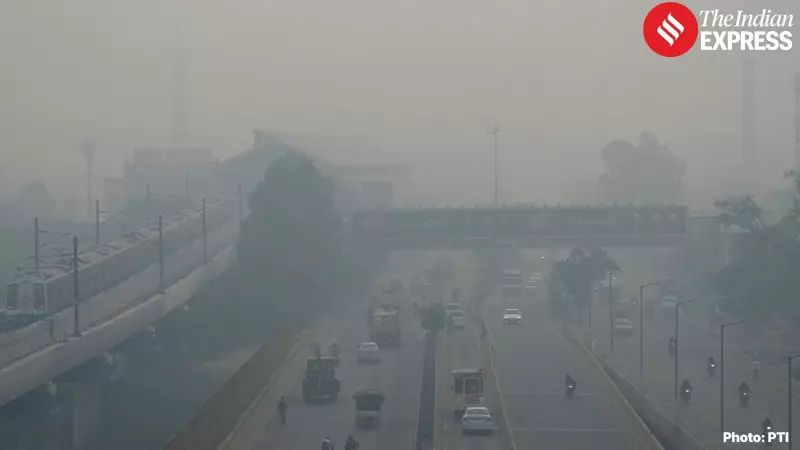
Delhi residents woke up to another day of hazardous air quality as the capital city found itself shrouded in a thick layer of toxic smog. The Air Quality Index (AQI) soared past the 560 mark, pushing the city into the severe plus category and creating one of the worst pollution episodes of the season.
Visual Evidence of Pollution Crisis
Photographs from across Delhi reveal a city barely visible through the dense blanket of pollution. Landmarks that normally stand out clearly against the skyline have become faint shadows in the murky atmosphere. The smog has reduced visibility significantly, affecting daily life and raising serious health concerns among medical experts.
The AQI reading of 560+ places Delhi in the most severe pollution category, indicating that the air quality poses serious health risks to all residents, not just those with pre-existing conditions. The particulate matter concentration has reached levels that are multiple times higher than the safe limits prescribed by the World Health Organization.

Immediate Impacts and Public Response
The deteriorating air quality has forced schools to reconsider outdoor activities, with many institutions shifting physical education classes indoors. Commuters are facing difficulties during morning and evening travels, with many reporting breathing problems and eye irritation. The situation has become particularly challenging for outdoor workers, including traffic police, street vendors, and construction laborers.
Hospitals in the National Capital Region have reported an increase in patients complaining of respiratory issues, including aggravated asthma, bronchitis, and persistent coughing. Medical professionals are advising vulnerable groups—children, elderly citizens, and people with respiratory conditions—to avoid outdoor exposure completely.
Emergency Measures and Long-term Concerns
Authorities have implemented Stage IV of the Graded Response Action Plan, which includes additional restrictions on vehicle movement and construction activities. The Commission for Air Quality Management has directed implementing strict pollution control measures across the NCR region.
Environmental experts point to multiple contributing factors, including vehicular emissions, construction dust, industrial pollution, and agricultural stubble burning in neighboring states. The current meteorological conditions, characterized by low wind speed and temperature inversion, are trapping pollutants close to the ground, exacerbating the situation.
This severe pollution episode serves as a stark reminder of the ongoing air quality crisis that Delhi faces annually. It underscores the urgent need for comprehensive, year-round measures to address the root causes of pollution rather than relying on emergency responses when conditions become critical.