Delhi's toxic air has escalated from a seasonal nuisance to a full-blown public health emergency, compelling medical experts to issue a stark new warning. Doctors are now strongly advising that lung function tests (LFTs or spirometry) are no longer an optional check-up but an essential health screening for anyone living in areas consistently recording high Air Quality Index (AQI) levels.
Why Lung Tests Have Become Non-Negotiable
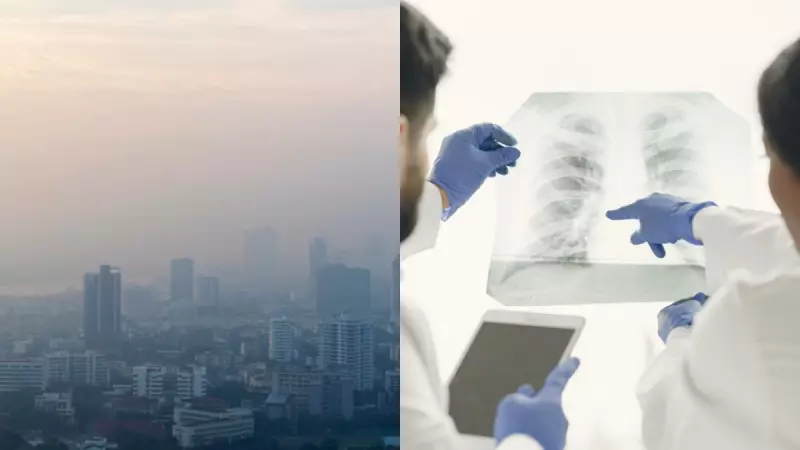
The advisory comes as the national capital continues to choke under a thick blanket of smog, with AQI levels frequently breaching the 'severe' and 'hazardous' categories. Dr. Arvind Kumar, Chairman of the Institute of Chest Surgery at Medanta Hospital, Gurugram, has been vocal about the silent damage being inflicted. He explains that the human lungs possess a natural reserve capacity, much like a car's fuel tank. However, prolonged exposure to pollutants like PM2.5 and PM10 acts as a constant drain on this reserve.
"When you are breathing polluted air, day in and day out, your reserve is getting depleted without you even realizing it," warns Dr. Kumar. The insidious nature of this damage means symptoms like breathlessness, wheezing, or a persistent cough often appear only after significant, sometimes irreversible, harm has already been done. A spirometry test serves as an early warning system, measuring how much air your lungs can hold and how forcefully you can exhale, thus detecting decline long before it becomes clinically apparent.

The Invisible Assault on Respiratory Health
The pollutants filling Delhi's air are not just dust; they are a toxic cocktail of fine particulate matter, heavy metals, and carcinogens. These microscopic particles bypass the body's natural defenses in the nose and throat, traveling deep into the alveoli—the tiny air sacs in the lungs where oxygen exchange occurs. Here, they cause inflammation, scarring, and a gradual stiffening of lung tissue.
The consequences extend far beyond temporary discomfort. Doctors are witnessing a disturbing rise in cases of:
- Chronic Obstructive Pulmonary Disease (COPD) in younger, non-smoking populations.
- Asthma exacerbations and new-onset asthma in adults.
- Increased vulnerability to respiratory infections like pneumonia and bronchitis.
- Accelerated progression of pre-existing conditions.
- Long-term increased risk of lung cancer.
Dr. Kumar emphasizes that this is not a problem confined to the old or the already sick. Children, whose lungs are still developing, and healthy young adults are equally at risk of suffering cumulative damage that will impact their health for decades to come.
Beyond Masks: A Proactive Health Strategy for Delhiites
While wearing N95/KN95 masks outdoors and using air purifiers indoors remain critical first steps, the medical community is urging a shift towards more proactive health monitoring. Getting a baseline lung function test provides a crucial personal health metric. If results are normal, it establishes a benchmark for future comparison. If a decline is detected, it allows for early intervention through medication, lifestyle changes, and stricter pollution avoidance strategies.
The call for widespread spirometry is a clear indicator that Delhi's pollution is being reframed from an environmental issue to a direct, individual medical threat. It underscores a grim reality: when the air outside is poison, safeguarding your health requires the same vigilance as managing a chronic disease. For millions in Delhi and the National Capital Region, checking their lung capacity is fast becoming as routine as checking the daily AQI forecast—a necessary act of self-preservation in a polluted city.