

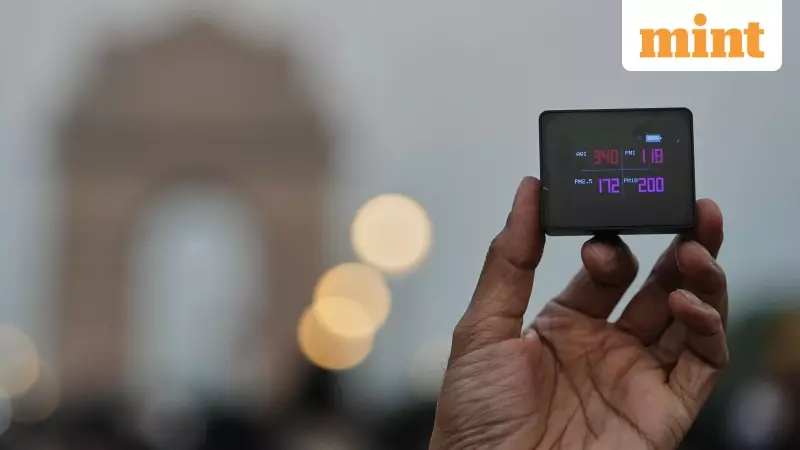
The air quality in North India, particularly in the Delhi-NCR region, has been progressively worsening over the past several weeks. In many areas, the Air Quality Index (AQI) has plummeted to the 'severe' category, triggering widespread public outcry and urgent health advisories from officials.
Social media platforms are flooded with reports from residents experiencing breathing difficulties and eye irritation due to the toxic smog. This surge in public health concerns has led to a dramatic spike in the sales of air purifiers. E-commerce giant Amazon India reported a sales increase of over five times for these devices as people scramble for protection.
Do Air Purifiers Actually Work? Doctors Weigh In
With the air quality crisis deepening, the critical question remains: are air purifiers truly beneficial? Medical experts provide a nuanced perspective.

Dr Shaleen Bhatnagar, HOD - Critical Care and Pulmonologist at Dehradun's Kailash Hospital, explained that air purifiers with HEPA filters and activated carbon layers can effectively remove fine particulate matter like PM2.5, allergens, and some toxic gases. This can reduce the burden of pollutants that worsen respiratory and cardiovascular conditions.
However, he was quick to add a significant caveat. "Their effectiveness is limited to the closed space in which they operate. They cannot replace the need for clean outdoor air or address the root cause of pollution," Dr Bhatnagar stated.
Echoing this sentiment, Dr Harish Chafle, Senior Consultant at Mumbai's Gleneagles Hospitals, expressed doubt about their performance during extreme pollution events. "When the AQI gets too bad, their effectiveness is doubtful as indoor air itself is too unhealthy to be purified by the purifier," he said.
Vulnerable Groups and Protective Measures
The conversation takes a more urgent tone when considering the impact on vulnerable populations. Dr Akshay Mehta, Senior Consultant at Motherhood Hospitals, Noida Extension, highlighted the severe risk pollution poses to mothers and young children.
"For children, their lungs are still developing, and they breathe nearly twice as fast as adults, which means they inhale more polluted air per minute," Dr Mehta explained. In such hazardous conditions, he affirmed that air purifiers can make a noticeable difference, especially for infants, toddlers, and expectant mothers who spend most of their time indoors.
Maximizing Your Air Purifier's Efficiency
Simply buying a purifier is not enough; using it correctly is key. Doctors offered clear guidelines for optimal use.
Dr Mehta advised that for the best results, purifiers should run continuously in key areas like bedrooms, with filters being cleaned or replaced on a regular schedule.
Dr Chafle provided a similar recommendation: "For optimal performance, keep it running 24/7, though you can use a lower setting during the day and run it on a high setting when needed." He strongly emphasized that keeping doors and windows closed is essential for the device to work effectively. Doctors also unanimously suggested avoiding outdoor excursions as much as possible during periods of high pollution.
Beyond the Purifier: A Holistic Approach to Cleaner Indoor Air
Air purifiers are just one part of the solution. Experts recommend a multi-pronged strategy to improve the air inside our homes.
Dr Bhatnagar suggested complementing purifiers with low-maintenance houseplants like areca palm, snake plant, or peace lily, which can help absorb carbon dioxide and trace toxins.
He also recommended practical household changes: "Ensuring proper ventilation in kitchens and bathrooms through exhaust fans helps eliminate smoke and moisture that promote microbial growth. Avoiding the burning of incense sticks, candles, or mosquito coils can further minimise indoor particulate matter."

Dr Sushil Kr Upadhyay, Consultant Pulmonologist at Kailash Deepak Hospital, added more simple yet effective tips: "Keeping windows closed during high pollution hours, cleaning floors and furniture with a damp cloth instead of dry dusting, and avoiding smoking or incense burning inside the house all help maintain better indoor air."





