

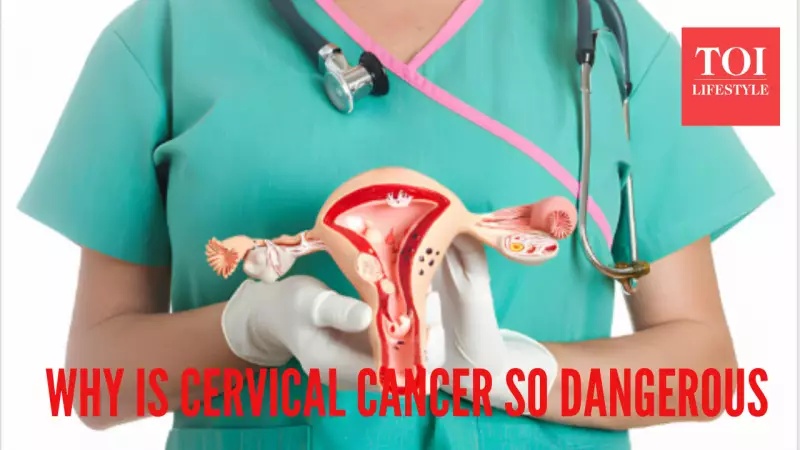
In a stark reminder of a persistent global health crisis, a woman loses her life to cervical cancer somewhere in the world every two minutes. This alarming statistic, highlighted by the United Nations and the World Health Organization (WHO), underscores the devastating toll of a disease that is largely preventable and treatable.
The Global Burden of a Preventable Disease
Cervical cancer ranks as the fourth most common cancer among women worldwide. In 2022 alone, it was responsible for an estimated 660,000 new cases and claimed approximately 350,000 lives. The tragedy is magnified by the fact that the vast majority of these deaths occur in low- and middle-income countries, where access to life-saving vaccines, screening, and treatment remains critically limited.
What Exactly is Cervical Cancer?
Cervical cancer originates in the cervix, the lower part of the uterus that connects to the vagina. The disease develops slowly, over many years, beginning with abnormal changes in cervical cells known as precancerous lesions. If these abnormal cells are not identified and treated, they can progress to invasive cancer, destroying cervical tissue and potentially spreading to other parts of the body.

The primary culprit behind 99% of all cervical cancer cases is the human papillomavirus (HPV), a common virus transmitted through sexual contact. While most infections clear on their own, persistent infection with high-risk HPV strains—notably types 16 and 18—can lead to cancer. These viruses produce proteins that disrupt normal cell growth controls in the cervix, leading to uncontrolled division and cancer formation.
Why Cervical Cancer Poses a Grave Threat
The danger of cervical cancer lies in a combination of factors that disproportionately affect women in developing nations.
Firstly, it often presents no early symptoms. Many women remain unaware of the disease until it reaches an advanced stage. Warning signs like bleeding between periods, after intercourse, or after menopause often indicate the cancer has already progressed.
Secondly, it strikes women in their prime. Unlike many cancers, cervical cancer frequently affects women between the ages of 30 and 50, tragically cutting short the lives of many young mothers.
Thirdly, a deadly synergy exists with HIV. Women living with HIV are six times more likely to develop cervical cancer. HIV weakens the immune system, allowing HPV infections to persist and progress to cancer much faster—sometimes in 5 to 10 years instead of the typical 15 to 20.
Finally, prevention tools are not equally accessible. The trifecta of prevention—HPV vaccination, regular screening, and treatment of precancerous lesions—is out of reach for many in regions with the highest burden, turning a preventable disease into a leading cause of death.
Recognizing the Warning Signs
Since early stages are often silent, scheduled screening is crucial. As cancer advances, symptoms may include:
- Abnormal vaginal bleeding (after sex, between periods, or after menopause).
- Unusual vaginal discharge that may be watery, bloody, or foul-smelling.
- Pain during sexual intercourse or in the pelvic region.
- In advanced stages, back or leg pain, leg swelling, and issues with urination or bowel movements.
Any of these symptoms warrant immediate medical consultation, as early diagnosis dramatically improves treatment outcomes.
The Road to Elimination: WHO's 2030 Strategy
The World Health Organization has a clear, actionable plan to eliminate cervical cancer as a public health threat by 2030. This strategy is built on three key pillars:

- Vaccination: Vaccinate 90% of girls with the HPV vaccine by the age of 14, before they become sexually active.
- Screening: Screen 70% of women using a high-performance test (like an HPV test) by ages 35 and 45.
- Treatment: Ensure 90% of women identified with cervical disease (precancer or cancer) receive appropriate treatment.
When precancerous changes are detected, simple and effective procedures like cryotherapy can prevent cancer from developing altogether. Achieving these ambitious targets would avert millions of deaths in the coming decades, transforming a current tragedy into a historic public health victory.





