

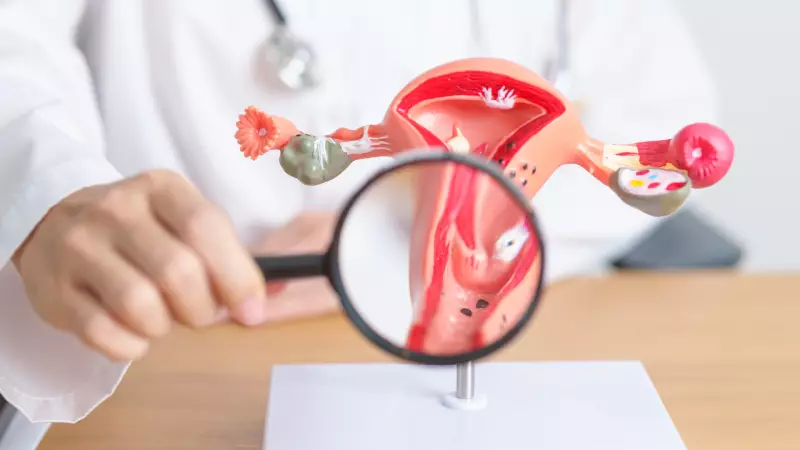
Cervical cancer remains a silent and formidable threat to women's health, particularly in countries like India where screening programs often fail to reach a significant portion of the population. This disease, primarily caused by a persistent infection with the Human Papillomavirus (HPV) in the cervix, can develop unnoticed for years before manifesting symptoms, often at an advanced stage. However, global examples like Australia, which is targeting elimination by 2035, demonstrate that a combination of smart vaccination and widespread testing offers a clear path forward. This article unpacks five crucial questions to shed light on lesser-known truths and empower every woman with life-saving knowledge.
How Does Screening Actually Prevent Cancer?
The true power of cervical cancer screening lies not just in finding existing tumors, but in detecting pre-cancerous changes in cells long before they turn invasive. These changes, triggered by HPV, can take 10 to 20 years to develop into cancer, providing a critical window for simple, effective treatments like freezing or removing the abnormal cells. Nations with consistent, high-participation screening programs have witnessed a dramatic 70 to 80 percent drop in cervical cancer deaths.
Australia, with an impressive 80 percent screening rate among women aged 25 to 74, expects to soon see fewer than four cases per 100,000 women. In stark contrast, India records over 127,000 new cervical cancer cases annually, ranking it fourth globally. Experts emphasize that rolling out routine screening widely across India could prevent up to 90 percent of deaths from this disease.

Why Are HPV Tests Considered Superior to Pap Smears?
While the traditional Pap smear examines cell shapes under a microscope, the HPV DNA test identifies the presence of the virus responsible for 99 percent of cervical cancer cases. This allows for risk detection years earlier. The HPV test boasts a 95 percent sensitivity for detecting high-grade lesions, compared to approximately 55 percent for the Pap smear alone.
Research indicates that co-testing (using both HPV and Pap tests) increases detection rates by 25 percent compared to using a Pap smear alone. A significant advancement for accessibility is the self-collected HPV sample, which matches clinic-collected sample accuracy at 96 percent. This method is ideal for reaching women in remote villages or with busy schedules, and India is promoting it through initiatives like Ayushman Bharat to achieve a 70 percent screening reach.
The Danger of Silent Symptoms
One of the most challenging aspects of cervical cancer is its lack of early, clear warnings. In the initial stages, there is typically no pain or abnormal bleeding. Most women feel completely normal until the disease progresses to stage two or three, when symptoms like unusual discharge or pain during intercourse may appear. This silence has dire consequences: survival rates plummet from 92 percent when caught early to a mere 17 percent in late stages. The World Health Organization (WHO) stresses that by the time symptoms appear, the disease is often advanced, underlining why regular screening is non-negotiable.
What Are the Accessible, Low-Cost Screening Options?
While advanced labs offer Pap and HPV tests, low-resource settings have effective tools like Visual Inspection with Acetic Acid (VIA). This simple procedure involves swabbing the cervix with vinegar; pre-cancerous cells turn white and can be spotted with the naked eye. A landmark 2004 Indian trial led by Sankaranarayanan et al. found VIA to be about 80 percent accurate and showed it could reduce mortality by 31 percent compared to no screening.
Technology is further bridging the gap. Today, mHealth applications can analyze VIA images captured via smartphone cameras, achieving around 90 percent sensitivity according to 2020 studies. From high-tech urban clinics to lantern-lit rural health camps, there are now screening options to fit virtually every budget and location.

Can We Truly Eliminate Cervical Cancer Worldwide?
The resounding answer is yes. Screening has proven effective from Sweden to Mongolia. The WHO's 90-70-90 global strategy provides a clear roadmap: vaccinate 90% of girls by age 15, screen 70% of women by age 35 and again by 45, and treat 90% of identified pre-cancer and cancer cases. Modeling suggests these basic measures alone could prevent 62 million deaths by the year 2120.
In India, the free vaccination drive for girls aged 9 to 14 has the potential, according to Gavi, to avert 110,000 cases over a century. While national coverage currently sits at a low 1.2 percent, states like Delhi are trialing programs with up to 70 percent uptake. The ultimate key is pairing vaccination with lifetime screening, a combination that can block over 90 percent of cancer risk, especially for high-risk groups. The tools for prevention are accessible; utilizing them is the most powerful step women can take for their reproductive health and for future generations.





