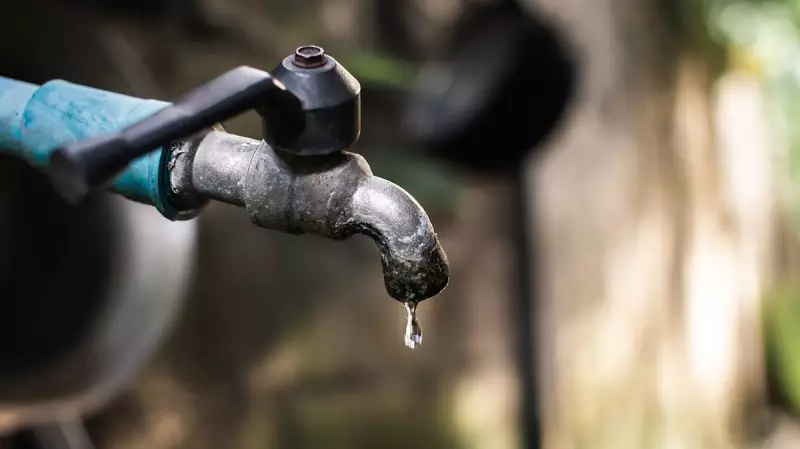
The Bangalore Water Supply and Sewerage Board (BWSSB) has taken the drastic step of cutting off water supply to several areas within the Lingarajapuram locality in Bengaluru. This emergency action was initiated on Monday, March 17, following the detection of potential contamination in the drinking water lines, raising serious public health concerns.
Immediate Action to Avert a Health Hazard
The decision to halt supply was not taken lightly. BWSSB officials confirmed that the move was a precautionary measure after receiving multiple complaints from residents about unusual odor and color in their tap water. Fearing a widespread health risk, the board acted swiftly to isolate the affected sections of the network. The disruption impacts a significant number of households and commercial establishments in the zone, leaving them reliant on alternative water sources.
Investigation and Response Underway
Engineers and technical teams from the BWSSB have been deployed to the site to conduct a thorough investigation. The primary focus is to identify the exact source and nature of the contamination. Initial suspicions point towards possible seepage from sewer lines or cross-connections with polluted groundwater, which is a recurring challenge in older parts of the city. The board has assured residents that flushing and purification of the pipelines will commence immediately once the fault is located and rectified.
"Our teams are on the ground working to resolve this issue at the earliest," a senior BWSSB official stated. "Public safety is our utmost priority, and we had to stop supply to prevent any possible waterborne diseases. We request the cooperation and patience of the residents during this period."
Residents Grapple with Sudden Shortage
The sudden cessation of water supply has caused considerable inconvenience. With no prior warning, locals were left scrambling to arrange water for drinking, cooking, and sanitation. Many are now dependent on water tankers, private borewells, or purchases from commercial suppliers, leading to increased costs and logistical hassles.
The BWSSB has not specified a definitive timeline for full restoration of normal supply, indicating that it depends on how quickly the contamination source is plugged and the lines are deemed safe. This incident has once again highlighted the vulnerabilities in Bengaluru's aging water infrastructure, especially in densely populated areas like Lingarajapuram.
Residents are advised to boil water thoroughly before consumption if supply resumes intermittently and to store water safely. The board has also set up helpline numbers for citizens to report further issues or seek updates on the restoration work. This event serves as a stark reminder of the critical need for regular maintenance and upgrade of the city's water distribution system to prevent such public health scares.