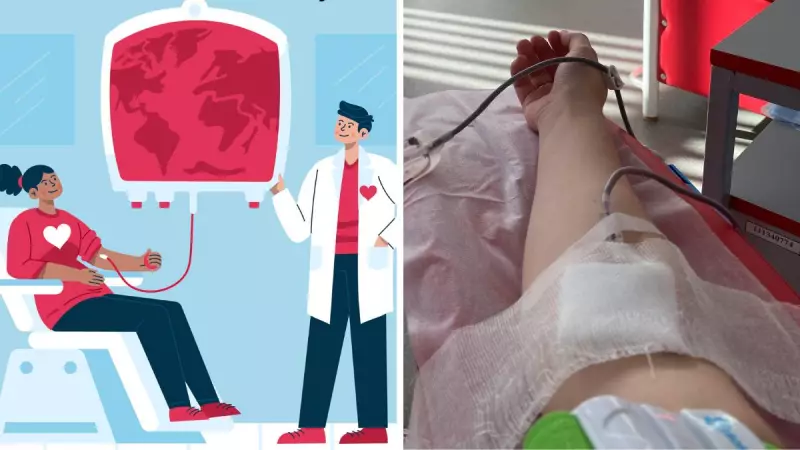
Blood Donation Myths Debunked: What You Need to Know
Many people hesitate to donate blood due to widespread misconceptions. Health experts are now stepping forward to clarify these issues. They aim to boost donor numbers across the country.
Common Myths and the Real Facts
Let us explore some frequent myths and the truths behind them.
Myth 1: Donating Blood Weakens the BodyThis is a major concern for potential donors. In reality, the human body quickly replaces the donated blood. Most healthy adults can donate without any long-term weakness. The process is safe and regulated.

Fear of infection stops many from donating. Health authorities use sterile, single-use equipment for every donation. This practice eliminates the risk of disease transmission. Donors are completely safe.
Eligibility and Health Benefits
Understanding who can donate is crucial. Here are key points.
- Donors must be at least 18 years old and weigh over 50 kilograms.
- Individuals with certain medical conditions or recent illnesses may need to wait.
- Regular health checks are part of the donation process.
Donating blood offers several health advantages. It can help reduce iron levels in the body. This may lower the risk of heart disease. The act also provides a sense of community contribution.
Encouraging More Donations
Public awareness campaigns play a vital role. They educate people about the simplicity and safety of blood donation. Hospitals and blood banks often organize drives to make it convenient.
Experts emphasize that every donation can save up to three lives. This fact highlights the importance of regular donors. Clearing myths is the first step toward a robust blood supply system.
In summary, blood donation is a safe and beneficial act. By debunking myths, we can inspire more individuals to participate. This effort strengthens our healthcare infrastructure and saves countless lives.