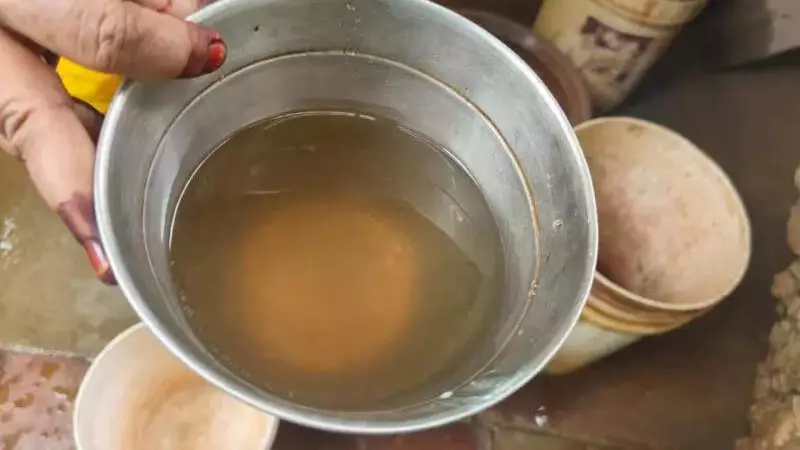
In a stark reminder of the enduring legacy of the 1984 Bhopal gas tragedy, a fresh conflict over water supply erupted in the city on Friday. The Bhopal Municipal Corporation (BMC) arrived at the Brij Vihar Colony in Nishatpura to sever what it termed as 'illegal' water connections, sparking strong protests from residents who fear being forced to consume toxic groundwater.
Residents Protest, Cite Supreme Court Order
The early morning action by the civic body was met with immediate objection from the colony's approximately 70 households. The residents, living in an area officially recognized as gas-affected, have been drawing water from a Narmada pipeline that runs near their homes. They argued that the BMC's move would leave them with no safe drinking water.
Mayank Pal, a resident, highlighted a critical legal point. He stated that their colony is among 42 such areas where the Supreme Court had mandated free water supply. This order was issued recognizing that the groundwater near the former Union Carbide plant is dangerously contaminated. "The BMC is demanding Rs 10,000 to provide a legal connection, calling this a private colony," Pal explained. "We are willing to pay the monthly water cess of Rs 280, but a one-time payment of ten thousand rupees is impossible for us."

A Temporary Resolution After Heated Confrontation
Activist Rachna Dhingra, who intervened on behalf of the residents, provided further context. She confirmed that when the colony's lack of tap water was brought before the Supreme Court-appointed Monitoring Committee, a water tank was arranged as a solution. "However, fetching water from a tank is difficult on a daily basis," Dhingra said. "This practical hardship led people to take connections directly from the Narmada pipeline crossing the colony."
The BMC team proceeded to cut the connections initially. However, facing the residents' firm stance and their warning that they would be constrained to drink 'poisonous' groundwater, the officials restored the supply later the same morning.
Official Stance and the Underlying Fault Line
BMC Additional Commissioner Tanmay Sharma, present at the site, presented the civic body's perspective. He pointed out that Brij Vihar Colony developed years after the gas disaster. "We can still consider providing them with a proper connection," Sharma stated. "However, drawing water through illegal means is not appropriate under any circumstances."
This incident exposes an old and neglected fault-line in Bhopal's urban planning. It underscores the ongoing struggle for basic amenities in areas still grappling with the aftermath of the world's worst industrial catastrophe. The conflict between municipal regulations and the dire, court-acknowledged needs of gas-affected communities remains unresolved, leaving residents in a perpetual state of uncertainty over their access to clean water.