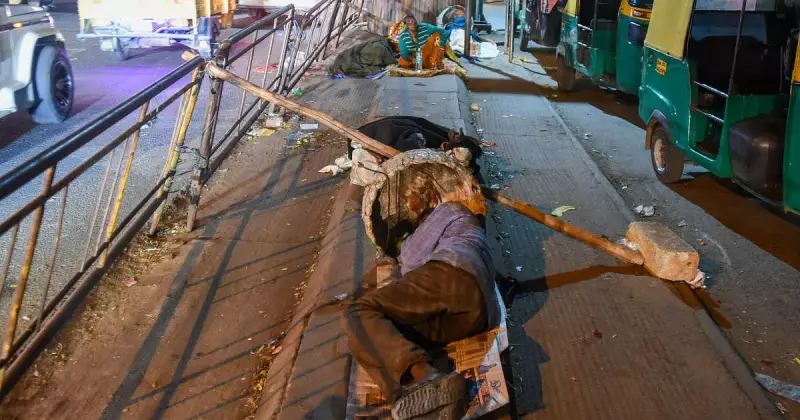
A glaring gap exists between policy and reality on the streets of Bengaluru, where designated night shelters are failing to provide a basic refuge for the city's homeless population. While structures meant to offer sanctuary exist, the system has largely broken down, leaving vulnerable individuals exposed to the elements and insecurity.
A System in Disrepair
The situation, highlighted in recent reports, underscores a critical failure in urban welfare. The shelters, intended as a safety net, are reportedly not fulfilling their primary purpose. Instead of being havens of safety, many who have used them describe conditions that are far from adequate. The core issues revolve around fundamental human needs: hygiene and security.
Most homeless people are demanding cleaner and safer shelter homes, a plea that points to systemic neglect. The problem isn't a complete absence of infrastructure but the quality and management of what is available. This failure directly impacts hundreds, if not thousands, of people who have no other option but to seek these services.
The Human Cost of Neglect
The consequences of this institutional shortfall are severe and immediate. Without access to clean and secure shelters, the homeless face heightened risks to their health and personal safety. The lack of proper sanitation can lead to the spread of diseases, while inadequate security makes them targets for crime and exploitation.
This crisis is not unfolding in secret; it is visible in the heart of India's tech capital. The contrast between the city's global image and the reality for its most impoverished residents could not be starker. The suffering is a daily reality for those who sleep on pavements, under bridges, or in makeshift tents, even as government-run shelters remain underutilized due to their poor conditions.
An Urgent Call for Action
The report, dated 03 January 2026, serves as a stark timestamp on a lingering issue. It indicates that without urgent intervention, the situation is likely to persist. The demands from the homeless community are not extravagant; they are a call for dignity and the bare minimum required for survival.
Addressing this requires a multi-pronged approach:
- Immediate infrastructural audits of all existing night shelters.
- Allocation of dedicated funds for maintenance, cleaning, and security personnel.
- Community involvement to ensure the facilities meet the actual needs of their users.
Ultimately, the languishing state of Bengaluru's night shelters is more than an administrative failure; it is a reflection of societal priorities. Fixing it is a fundamental test of the city's commitment to all its citizens.