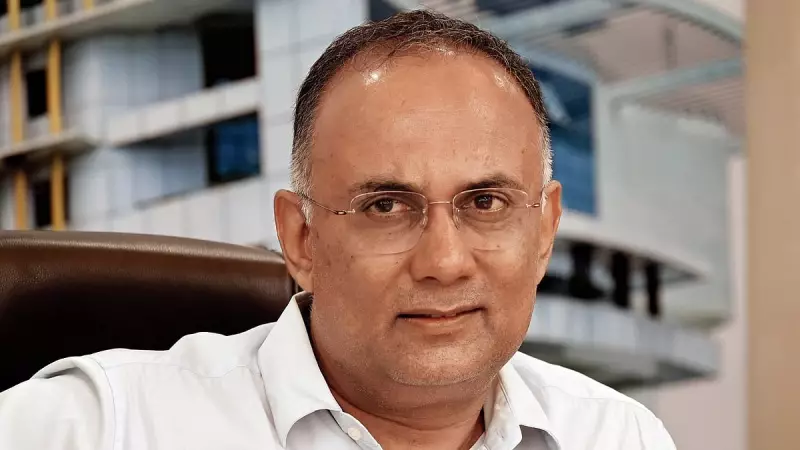
Bengaluru's rapid expansion is an unavoidable reality, but the negative impact on the well-being of its residents is not, stated Karnataka's Health and Family Welfare Minister, Dinesh Gundu Rao. He emphasized that the city must proactively address the health fallout of its urban sprawl.
Dialogue on Urban Health and Livability
The minister made these remarks during a crucial conversation titled 'Does Bengaluru Offer Its Citizens a Healthy Life?'. This event was part of a quarterly dialogue series jointly organized by the Bangalore International Centre (BIC) and the urban governance advocacy group, Janaagraha. The discussion, held on 10 January 2026, brought the focus squarely on the intersection of urban development and public health.
The Inevitable Growth and Its Consequences
Minister Rao acknowledged that Bengaluru's trajectory as a major economic and technological hub makes its continued growth a certainty. However, he argued that this growth should not come at the cost of citizens' health. The conversation delved into the various challenges stemming from unplanned urbanization.

Key issues highlighted included deteriorating air quality, inadequate water and sanitation infrastructure, traffic congestion leading to stress and pollution, and the loss of green spaces. These factors collectively contribute to a rising burden of respiratory illnesses, vector-borne diseases, and mental health concerns among Bengaluru's population.
A Call for Proactive Governance and Planning
The core of the minister's argument was that while growth is inevitable, its negative health outcomes can be mitigated through deliberate policy and planning. He stressed the need for a multi-sectoral approach where urban planning, transportation, environmental conservation, and public health strategies are integrated.
This would involve:
- Strengthening public health infrastructure to match the pace of population increase.
- Prioritizing sustainable mobility solutions to reduce pollution and commute stress.
- Ensuring equitable access to clean water, sanitation, and green lungs across all city neighborhoods.
The dialogue served as a platform to move beyond merely identifying problems and towards brainstorming actionable solutions that involve government, civil society, and citizens. The event underscored the urgent need to make health a central metric for evaluating the city's development success.