

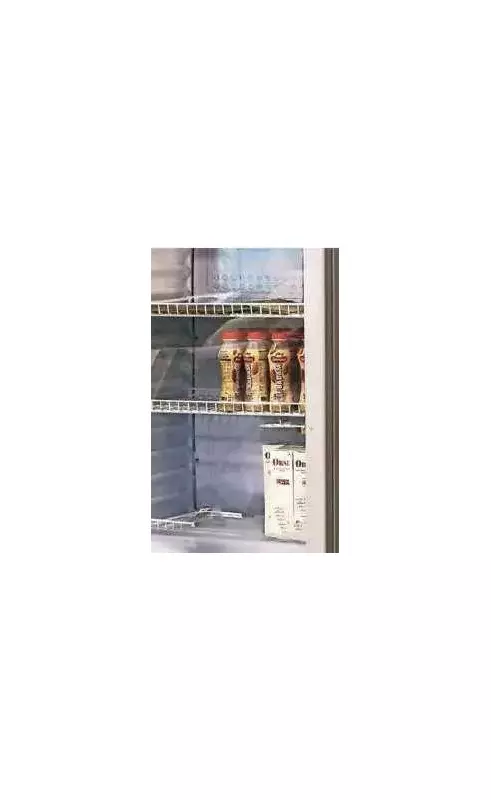
Nearly three months after India's food regulator cracked down on the misuse of a critical medical term, non-compliant beverages falsely branded as Oral Rehydration Solutions (ORS) continue to flood the market in Telangana and several other states. This blatant violation of a Food Safety and Standards Authority of India (FSSAI) directive is occurring both at local pharmacies and on quick-commerce platforms, posing a significant public health hazard.
Ground Reality Defies Regulatory Ban
An investigation revealed that fruit-based, high-sugar drinks marketed under the ORS label are still freely available, with prices ranging between Rs 30 and Rs 50. Most of these products do not disclose whether they comply with the World Health Organization's (WHO) recommended ORS formulation, which is crucial for effectively treating dehydration from ailments like diarrhoea.
Public health experts have labelled this gap between policy and enforcement as dangerous. The issue was brought to light through a public interest litigation (PIL) filed by Hyderabad-based doctor Sivaranjani Santosh. "Over the past few weeks, I have received complaints from Karnataka, Assam, Andhra Pradesh, Telangana and other states," Dr. Santosh stated. She emphasized that people are sending photographs showing how ORS-labelled drinks with misleading labels are being sold not just as beverages but even in tablet form.

A False Sense of Security with Real Dangers
Doctors are raising alarms about the potential harm caused by these products. "These are not WHO-recommended ORS formulations. Selling them as ORS is misleading and potentially harmful, especially for children," Dr. Santosh pointed out. She explained that these products create a false sense of medical safety, which can delay proper treatment.
Dr. Parag Dekate, clinical director of pediatrics at KIMS Cuddles, elaborated on the medical risks. "Some of these drinks have up to 10 times more sugar than recommended. Instead of helping, they can worsen diarrhoea and electrolyte imbalance in blood, particularly in children," he said. He further warned that in a dehydrated patient, consuming high-sugar drinks can actually worsen dehydration by causing osmotic diarrhoea, as manufacturers often add excess sugar and preservatives to increase shelf life.
Enforcement Challenges and Judicial Backing
Despite the clear ban, enforcement remains inconsistent. A senior official from the Telangana Food Safety Commissioner's office confirmed that notices were issued to manufacturers and production was supposed to be stopped. However, the official noted that enforcement was legally sensitive until clearer directions were issued by the FSSAI. While regular inspections are being conducted, there is no specific drive focused solely on ORS-labelled drinks.
At the retail level, confusion prevails. Pharmacist D Srinivas from a medical store in Khairtabad said, "We saw the news about the ban, but no formal order has reached us. We also need to clear our existing stock. Until we receive clarification from distributors, we will continue to sell the drinks."
The judiciary has also weighed in on the matter. In November, the Delhi High Court refused interim relief to a company seeking to sell electrolyte beverages worth nearly Rs 100 crore branded as "ORSL". The court observed that the product had the "potential to harm" and could become a serious public health hazard.
Clear Rules, Weak Implementation
The regulatory framework is unambiguous. In October last year, the FSSAI prohibited food and beverage companies from using the term "ORS" unless the product met the prescribed medical formulation. The regulator reiterated this ban in late November, specifically noting that fruit-based, non-carbonated ready-to-drink beverages were still being wrongly marketed under the ORS label. State food safety authorities were directed to inspect outlets, remove non-compliant products, and initiate action under the Food Safety and Standards Act.

For Dr. Sivaranjani, the explanations for the ongoing sales are unacceptable. "If food safety commissioners are not doing their job and children's lives are being put at risk, we need to know what or who is stopping them," she asserted. She has called for urgent, coordinated action to pull all misleading products off shelves before further harm is done, highlighting a critical failure in regulatory enforcement that continues to endanger public health across India.





