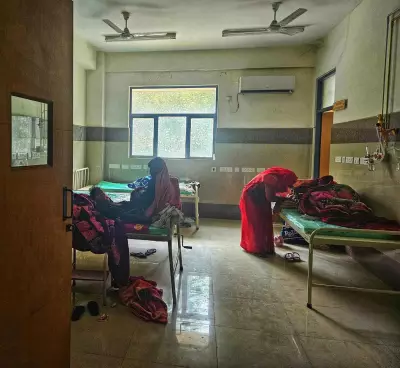
A critical shortage of life-saving medication has hit a primary health centre in Jharkhand, leaving residents vulnerable. The Ayushman Arogya Mandir in Satbarwa, located in Palamu district, has been without anti-rabies vaccines for nearly two weeks, forcing dog bite victims to seek treatment far from home.
Centre Runs Dry, Authorities Unresponsive
Dr. Jairam Singh, the officer in-charge of the Satbarwa health centre, confirmed the dire situation. He stated that the facility has been out of the crucial anti-rabies vaccines for the past 10 to 12 days. Despite repeated alerts sent to the higher authorities requesting a fresh supply, no action was taken, leaving the centre helpless.
The urgency of the crisis became starkly evident on Monday, when approximately a dozen people reported to the centre after being bitten by stray dogs. With no vaccines in stock, medical staff faced a grim choice.

Patients Endure Long, Harsh Journeys for Treatment
Unable to provide the required first dose, the centre's staff had to refer the victims to other facilities. Patients were advised to travel to either the Manika Community Health Centre in Latehar, which is about 15 kilometres away, or to the Mahatma Gandhi Memorial Medical College and Hospital (MMCH) in Daltonganj, nearly 27 kilometres from Satbarwa.
This directive has sparked outrage and hardship. One affected patient highlighted the inhumanity of the situation, especially during the ongoing cold wave. "Asking victims to travel such long distances in an emergency, especially amid a cold wave, is inhuman," the patient said. The anti-rabies vaccination protocol requires five doses administered on specific days (day 0, 3, 7, 14, and 28), making such travel for each dose a significant burden.
Official Response and Promised Action
Following the reports, Civil Surgeon Dr. Anil Kumar Srivastava claimed he became aware of the vaccine unavailability only on Monday night. He assured that arrangements are now being made to dispatch the required vaccines to the Satbarwa centre at the earliest possible moment.
This incident exposes a critical gap in the healthcare supply chain in rural areas. The absence of a essential vaccine like the anti-rabies serum, used for post-exposure prophylaxis, poses a direct threat to community health, especially in regions with stray dog populations. It underscores the need for robust monitoring systems to prevent stock-outs of vital medicines.