In a decisive move to avert a public health emergency, the district administration of Amroha has launched a stringent crackdown on industrial pollution in the Gajraula area. This action comes in the wake of a sustained 20-day protest by local farmers and heightened concerns following the recent water contamination crisis in Indore, Madhya Pradesh.
Farmers' Agitation Forces Administrative Action
The immediate trigger for the administration's intervention was a protest led by farmers affiliated with the Bharatiya Kisan Union in Shahbazpur Dor village. The farmers have been raising a persistent alarm, alleging that unchecked discharge of industrial effluents is poisoning groundwater reserves and devastating agricultural land. Taking cognizance of the serious allegations, District Magistrate Nidhi Gupta Vats convened a high-level emergency meeting on Friday to formulate a response plan.
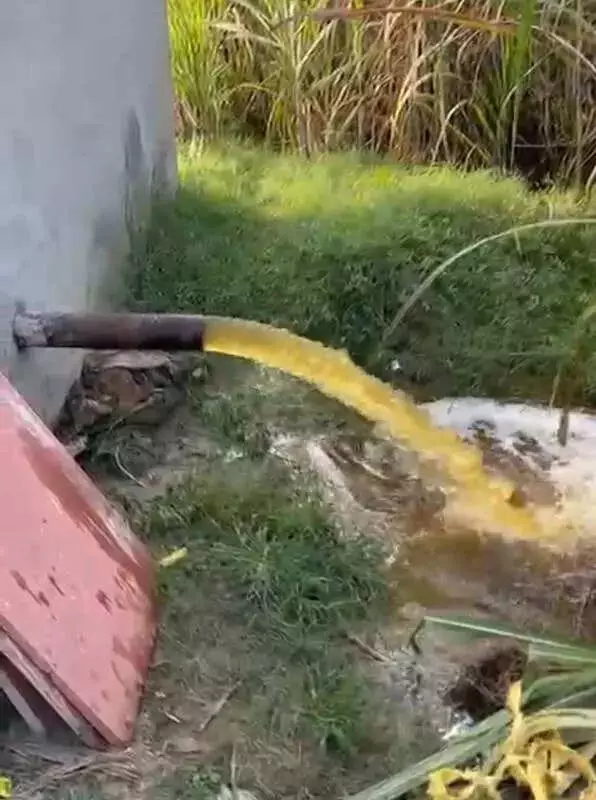
"Farmers from several villages reported that hand pumps and tubewells are spewing yellow, chemically-tainted water," stated DM Vats. "This is leading to skin diseases and other health issues. Using this water for irrigation is also causing significant damage to crops."

Multi-Department Drive and Inspection Campaign
Following the emergency meeting, the district magistrate has ordered a coordinated campaign involving officials from the pollution control board, health, and agriculture departments, alongside representatives from industrial units. A special team has been formed to conduct a thorough scientific assessment of the problem.
The key measures announced include:
- Collection and analysis of soil and groundwater samples from affected villages to determine pollution levels.
- Rigorous inspection of all Effluent Treatment Plants (ETPs) and Sewage Treatment Plants (STPs) installed in industrial units in the region.
- Sampling of water from borewells and testing of agricultural produce.
"Two villages have been covered in the initial survey. We will take strict legal action against polluting units based on the laboratory findings," assured DM Vats, emphasizing the administration's commitment.
Farmers Detail Losses, Vow to Continue Protest
Meanwhile, the protesting farmers have declared that their demonstration will persist until they receive concrete guarantees of long-term safety and remediation. They pinpoint factories in Gajraula's industrial belt as the primary source of the contamination, accusing them of releasing untreated waste into the Bagad river and other tributaries that feed the Ganga, ultimately seeping into the groundwater table.
"These units are dumping poisonous water into rivers and drains. Our tubewells now discharge yellow water, which is destroying our crops and pushing us into massive financial losses," said Khalid Hussain, a farmer from Shahbazpur Dor. "We have raised this issue repeatedly, but saw little concrete action until now."
Another farmer, Malkhan Singh from Basaili village, provided a stark example of the agricultural devastation. "I cultivate 19 bighas of land. Previously, my wheat yield was around three quintals per bigha. Now, because of this contaminated water, it has plummeted to just one quintal," he lamented. The administration's crackdown is now being closely watched by the farming community, which awaits tangible results and accountability for the environmental damage.