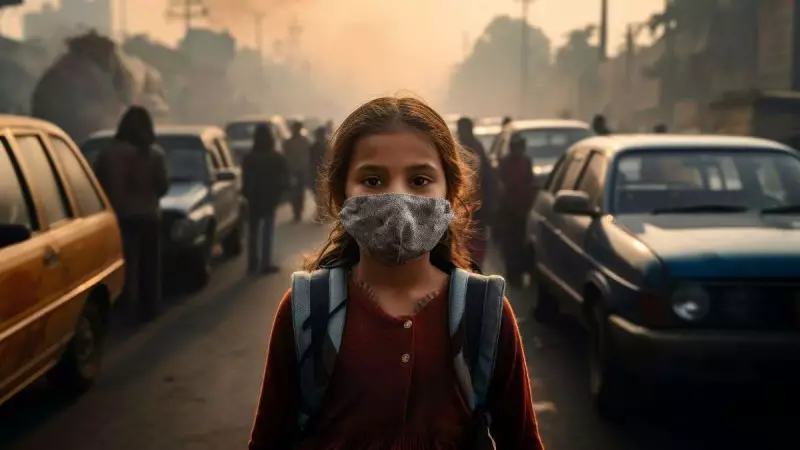
Air Pollution's Severe Impact on Children's Health: Asthma, Brain Development, Infections
Air pollution has emerged as a critical public health concern, with children being particularly vulnerable to its harmful effects. Recent studies and health reports highlight the severe and multifaceted impact of polluted air on young populations, raising alarms among medical professionals and policymakers alike.
Asthma and Respiratory Issues
One of the most immediate and visible consequences of air pollution on children is the increased prevalence of asthma and other respiratory conditions. Exposure to pollutants such as particulate matter (PM2.5 and PM10), nitrogen dioxide, and ozone can trigger asthma attacks, exacerbate symptoms, and lead to chronic respiratory diseases. Children in urban areas with high pollution levels are especially at risk, with many experiencing reduced lung function and frequent hospital visits.
Impaired Brain Development
Beyond respiratory health, air pollution poses a significant threat to children's cognitive and neurological development. Research indicates that exposure to toxic air pollutants can affect brain structure and function, leading to issues such as:

- Reduced cognitive abilities and learning difficulties
- Attention deficits and behavioral problems
- Potential links to neurodevelopmental disorders
These effects are particularly concerning during early childhood when the brain is rapidly developing, and exposure can have long-lasting implications on academic performance and overall mental health.
Increased Susceptibility to Infections
Air pollution weakens children's immune systems, making them more susceptible to various infections. Pollutants can damage the respiratory tract's lining, reducing its ability to fend off pathogens. This leads to a higher incidence of:
- Respiratory infections like bronchitis and pneumonia
- Ear infections and sinusitis
- Generalized immune system suppression
Children in polluted environments often face recurrent illnesses, which can disrupt their daily activities, schooling, and overall well-being.
Long-Term Health Consequences
The impact of air pollution on children extends into adulthood, with early exposure linked to chronic health issues later in life. These include cardiovascular diseases, persistent respiratory problems, and even certain cancers. Addressing this issue requires urgent action from governments, communities, and families to reduce pollution levels and protect future generations.
Preventive Measures and Solutions
To mitigate the risks, several strategies can be implemented:
- Promoting the use of air purifiers in homes and schools
- Encouraging green spaces and tree planting in urban areas
- Advocating for stricter emission controls and pollution reduction policies
- Raising public awareness about the dangers of air pollution
By taking proactive steps, we can safeguard children's health and ensure a healthier environment for their growth and development.