Ahmedabad's Tuberculosis Crisis: A Deep Dive into 2025 Deaths
Ahmedabad Municipal Corporation's health department has released sobering data for 2025. The city recorded 523 deaths from tuberculosis. This translates to an average of 10 deaths every single week. The numbers paint a grim picture of the disease's impact on the community.
Alarming Timeline of Deaths
A detailed analysis reveals a critical pattern. A staggering 59% of these deaths occurred within just 30 days of TB detection. This short timeframe strongly suggests delayed diagnosis and treatment. Many patients likely presented with advanced disease severity from the very beginning.
Productive Age Group Hardest Hit
The data shows a disproportionate impact on the city's workforce. About 70% of the deceased, which is 366 individuals, belonged to the 15-59 years age group. Experts consider this the productive segment of society. This high toll indicates a substantial disease burden combined with late diagnosis and widespread malnutrition.

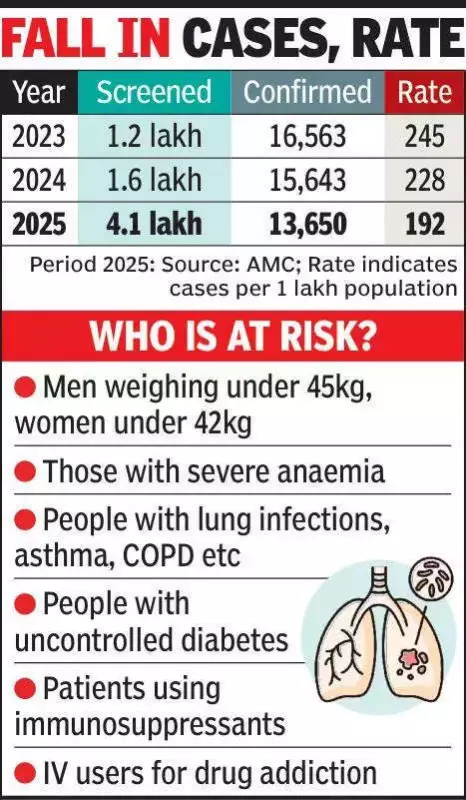
Malnutrition emerged as a significant contributing factor. Close to half, or 47%, of the deaths involved individuals whose weight was around 40 kilograms or less. This highlights a direct link between nutritional status and TB outcomes.
Comorbidities Complicate Diagnosis
Patients often battled other health conditions alongside TB. Common comorbidities included:
- Diabetes
- Chronic obstructive pulmonary disease (COPD)
- Anaemia
- Addiction to alcohol and/or tobacco
These existing conditions can mask classic TB symptoms, leading to diagnostic delays. A heat map of TB cases showed higher concentrations in the city's eastern zones. Health facilities in Bhaipura, Faisalnagar, Narol, Amraiwadi, and Rakhial each recorded 200 cases or more, according to AMC data.
AMC's Response and Action Plan
A senior official from the AMC health department confirmed that a targeted plan is now in motion. The strategy focuses on several key areas:
- Regular follow-ups with existing patients
- Creating awareness about government health schemes
- Ensuring patients adhere to their medication regimens
The official explained the rationale behind the plan. "We noticed that in some cases, late knowledge of TB infection or late identification of patients gets risky. Therefore, new patients are sought out and high-risk patients are monitored in a timely manner."
The approach extends beyond the patients themselves. Family members are also treated as a preventive measure to stop the disease from spreading within households. Patients receive both financial and nutritional support to improve their chances of recovery.
Expert Insights on Diagnostic Challenges
Medical professionals emphasize the tricky nature of TB diagnosis, especially with comorbidities. Dr. Shivang Sharma, an infectious diseases specialist at Zydus Hospital, provided crucial context.
"While TB is most commonly associated with the lungs, there are multiple sites, including the spine, kidney, bone, larynx, and even the brain, among others, where the infection can take place."
He noted that patients already undergoing treatment for other conditions might not show typical TB symptoms initially. This often leads to missed or late diagnoses. "We often ask TB patients to undergo tests for HIV and vice versa for HIV patients," he added, highlighting the interconnected nature of diseases that compromise immunity.
A case from a private hospital earlier this year illustrated this challenge perfectly. The patient showed no classic symptoms like fever, weight loss, or loss of appetite. Instead, they complained of general uneasiness. Only after multiple tests did doctors confirm tuberculosis. The patient's history of a renal transplant and ongoing medication for it had masked the TB signs.
The Path Forward: Awareness and Early Action
Chest physicians in the city stress that awareness is the most urgent need. "The need of the hour is awareness about causes and symptoms so that it can be diagnosed early and treated early," said one physician. They pointed out that individuals with compromised immunity are particularly vulnerable. This group includes people with HIV, diabetes, a history of organ transplant, or those undergoing chemotherapy.

The 2025 data serves as a stark reminder. Tuberculosis remains a formidable public health challenge in Ahmedabad. Timely detection, robust nutritional support, and managing comorbidities are essential to turning the tide against this disease.