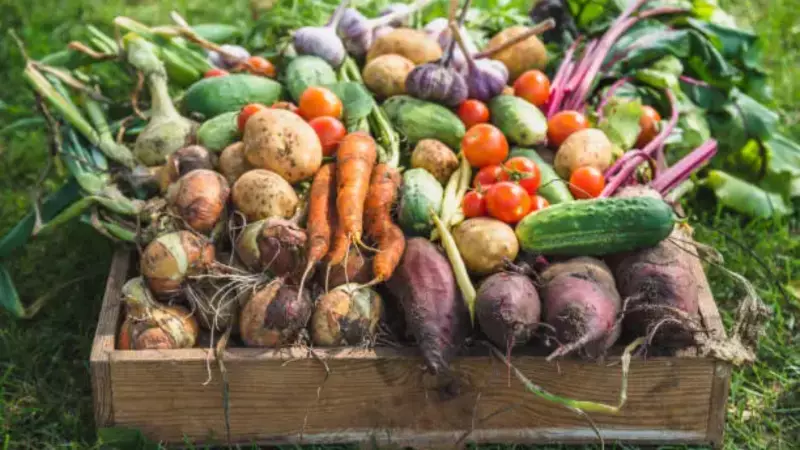
As the seasons change in India, so does the availability of fresh produce, offering a natural solution to a common health concern: Vitamin D deficiency. Often called the 'sunshine vitamin,' Vitamin D is crucial for strong bones, a robust immune system, and overall well-being. While sunlight is a primary source, incorporating certain seasonal foods into your diet can provide a significant nutritional boost.
Why Vitamin D is Essential for Health
Vitamin D plays a pivotal role in helping the body absorb calcium, which is fundamental for maintaining bone density and preventing conditions like osteoporosis. Beyond skeletal health, it is vital for muscle function and supports the immune system in fighting off infections. A deficiency in this nutrient can lead to fatigue, bone pain, muscle weakness, and a heightened susceptibility to illnesses. Given modern indoor lifestyles and seasonal variations in sunlight, turning to dietary sources becomes increasingly important.
Top Seasonal Picks for Your Plate
Several foods that come into season across India are surprisingly good sources of Vitamin D. Integrating these into your meals can help bridge the nutritional gap.

Mushrooms, particularly varieties like button mushrooms, are unique in the plant kingdom as they can synthesize Vitamin D when exposed to ultraviolet (UV) light, much like human skin. Including sun-exposed mushrooms in curries, stir-fries, or soups is an excellent way to add this vitamin to a vegetarian diet.
Fatty fish such as mackerel (bangda), salmon, and sardines (tarli) are powerhouse sources of Vitamin D. These fish are often more abundant and fresh during specific coastal seasons, making them a perfect addition to your diet for a direct nutrient hit.
For those who include dairy and eggs, egg yolks from free-range or fortified chickens contain natural Vitamin D. Similarly, fortified milk, curd, and cheese are widely available and specifically enhanced with Vitamin D to help prevent deficiency, making them reliable year-round sources.
Making Smart Dietary Choices
While these foods are beneficial, it's important to consume them as part of a balanced diet. For non-vegetarians, a weekly serving of fatty fish can make a notable difference. Vegetarians can rely on fortified dairy products and UV-exposed mushrooms. It's also worth noting that Vitamin D is fat-soluble, meaning consuming it with a small amount of healthy fat can improve absorption.
Seasonal eating not only ensures you get fresher, more flavorful ingredients but also aligns your nutrient intake with nature's calendar. During the monsoon and winter months, when sunlight may be scarce, consciously adding these Vitamin D-rich foods to your thali can support your body's needs effectively.
Combining sensible sun exposure during the early morning hours with a diet inclusive of these seasonal foods is the most holistic strategy to maintain optimal Vitamin D levels. This approach empowers you to take charge of your health naturally, leveraging the bounty each season offers.