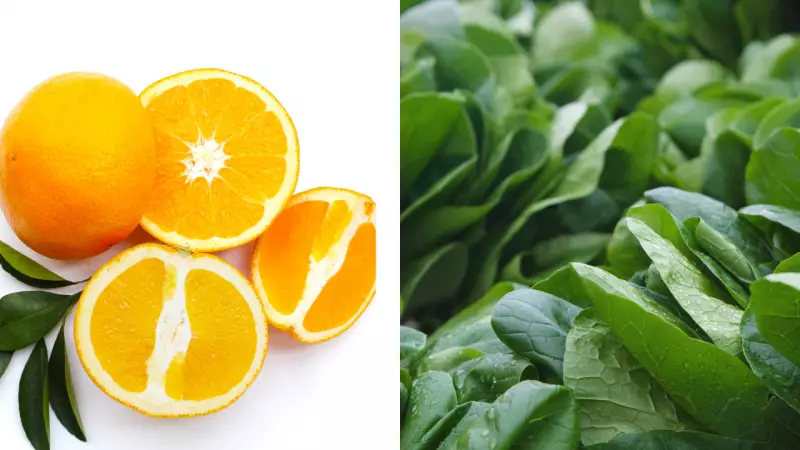
For generations, spinach has been celebrated as a nutritional powerhouse, particularly for its iron content. However, a critical scientific fact often gets overlooked: the iron in spinach remains largely unusable by the body unless it is consumed alongside vitamin C. This pairing is especially vital in India, where vegetarian diets are prevalent and iron deficiency affects a significant portion of the population, particularly women.
The Science Behind the Spinach Iron Paradox
Nutritional science distinguishes between two types of dietary iron. Heme iron, sourced from meat, is easily absorbed at a rate of 15-35%. In contrast, non-heme iron, found in plant foods like spinach, has a much lower absorption rate, typically under 10% when eaten alone. While cooked spinach offers an impressive 2.7 mg of iron per 100 grams, natural compounds called oxalates bind to this iron, forming crystals that prevent the gut from absorbing it effectively.
This challenge has been documented in research for decades. A seminal 1980 study by Lynch and Cook demonstrated that certain meal components could slash non-heme iron absorption by half. More recently, a 2022 review by Piskin and colleagues, which analyzed over 50 trials, confirmed that the oxalate load in spinach can reduce iron absorption to a mere 1-5% without dietary interventions. The typical Indian diet, with staples like roti and rice that contain phytates, can further inhibit iron uptake, compounding the problem.

Vitamin C: The Essential Key to Unlock Iron
The solution to this absorption puzzle is ascorbic acid, commonly known as vitamin C. This nutrient acts as a powerful enhancer. It chemically reduces iron to a more soluble form and creates a protective shield around it, helping it bypass the gut's natural blockers like oxalates and phytates.
The evidence for this synergy is robust. In a landmark 1986 study by Hallberg and team, volunteers were fed spinach meals. The researchers found that adding just 50mg of vitamin C tripled iron absorption, increasing it from 4% to 12%. This finding has been reinforced by numerous global studies.
Practical Tips for the Indian Kitchen
Integrating this knowledge into daily meals is simple and can dramatically improve nutritional outcomes. Here are easy, culturally relevant swaps:
- Squeeze half a lemon over your saag or palak paneer.
- Add tomatoes to palak dal while cooking.
- Enjoy a glass of orange juice with a spinach-based meal.
- Incorporate amla (Indian gooseberry), which contains six times more vitamin C than oranges, into chutneys or drinks.
These additions provide the optimal 50-100mg of vitamin C recommended by research. It's equally important to avoid common pitfalls. Consuming tea, coffee, or milk near a spinach meal can reduce iron absorption by up to 60%, as noted by Piskin's research. Light cooking is also preferable to boiling, which can leach nutrients.
Beyond iron, spinach is rich in vitamin K for bone health, folate for heart function, and lutein for eye protection. Vitamin C further amplifies these benefits by combating oxidative stress, which is linked to chronic conditions like diabetes. Studies, including those published in journals like ACS Omega, suggest that regular consumption of greens, when paired correctly, can be associated with a 20% lower risk of chronic diseases.
For a country where dietary habits deeply influence public health, understanding the partnership between spinach and vitamin C is not just a nutrition fact—it's a practical strategy for combating widespread iron deficiency and building stronger health from the plate up.