What a Healthy 1200-Calorie Vegetarian Diet Really Looks Like
A nutrition expert explains how to follow a healthy 1200-calorie vegetarian diet. She shares what to eat, what to avoid, and who this plan is safe for. Low-calorie diets remain popular for weight loss, but not all of them are safe or sustainable. A well-planned 1200-calorie vegetarian diet can support gradual weight loss when done correctly.
To determine what this type of plan should include and who it suits best, we spoke with Sukh Sabia, a nutritionist and dietician at Maccure Hospital. She provided her expert advice on creating a balanced approach.
What Makes a 1200-Calorie Vegetarian Diet Effective?
According to Dt Sabia, the key lies in balance rather than restriction. "A good 1200-calorie vegetarian diet must be nutrient-dense, well-balanced, and practical. It should never feel extreme or leave you fatigued," she says.

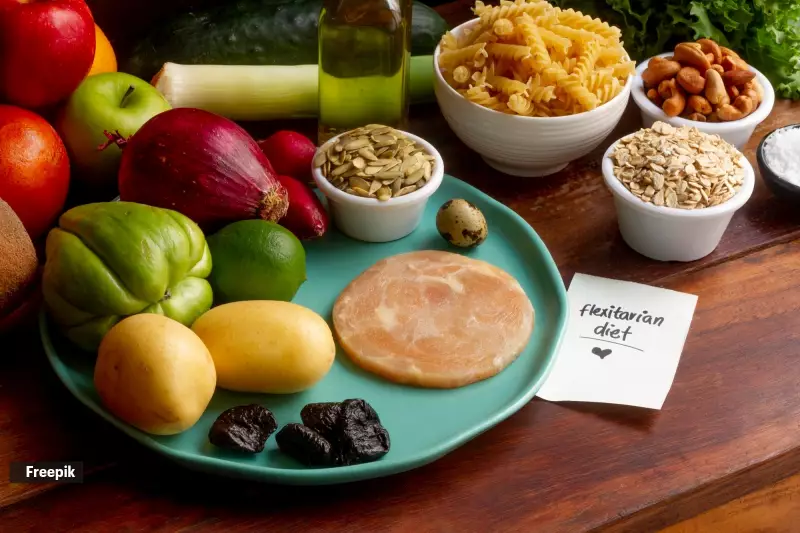
Such a plan should include a steady mix of:
- Complex carbohydrates like oats, brown rice, millets, and whole wheat
- Plant-based proteins from dals, legumes, tofu, curd, and paneer in moderation
- Healthy fats from nuts, seeds, and small amounts of oil
- Fibre-rich vegetables and fruits for digestion and satiety
"Home-cooked meals, controlled portions, and minimal processing are crucial for maintaining energy and supporting healthy weight management," she notes.
A Sample 1200-Calorie Indian Vegetarian Meal Plan
According to Dt Sabia, "A well-structured day typically includes three balanced meals and one or two light snacks." Here is her suggested daily plan:
Breakfast: Vegetable poha or oats upma OR two small multigrain rotis with curd and veggies
Lunch: One or two rotis or a small serving of brown rice with dal, seasonal sabzi, and a fresh salad
Snack: Fruit, roasted chana, sprouts chaat, or a glass of buttermilk
Dinner: Light options like vegetable soup with tofu or paneer, sautéed vegetables, OR one roti with dal
"Portion control and minimal oil use are non-negotiable if you want to stay within 1200 calories without compromising nutrition," she emphasizes. Adequate hydration through water, herbal teas, or infused water also plays a key role in this diet.
Is a 1200-Calorie Vegetarian Diet Safe for Everyone?
While popular, this diet is not suitable for all individuals. "A 1200-calorie plan can work for some sedentary adults for short-term weight loss, but it is not recommended across the board," cautions Dt Sabia.
She notes that the following groups should avoid such low-calorie diets:
- Children and adolescents
- Pregnant or breastfeeding women
- Athletes or highly active individuals
- People with diabetes, thyroid disorders, or eating disorders
"Those with high physical demands may feel dizzy, weak, or nutritionally depleted on so few calories," she adds.
Key Nutrients That Should Not Be Missed
With calories limited, nutrient density becomes essential. Sabia highlights the must-have nutrients for anyone following this diet:
1. Protein: From dals, legumes, soy, dairy, nuts, and seeds. "Protein helps maintain muscle mass and keeps you full longer," she says.
2. Iron: From leafy greens, legumes, and seeds—paired with vitamin C for better absorption. "Iron deficiency is common in vegetarians, so this nutrient needs deliberate focus," Sabia emphasizes.
3. Calcium & Vitamin D: From milk, curd, paneer, and fortified foods. "These support bone health, especially when calorie intake is low," she explains.
4. Vitamin B12: Often limited in vegetarian diets. "Fortified foods or supplements may be necessary for adequate B12," she notes.
5. Healthy Fats: From nuts, seeds, and small amounts of cooking oil. "Good fats aid nutrient absorption and prevent energy crashes," concludes Sabia.
This article is based on information from the public domain and expert consultations. Always consult your health practitioner before starting any new dietary routine.