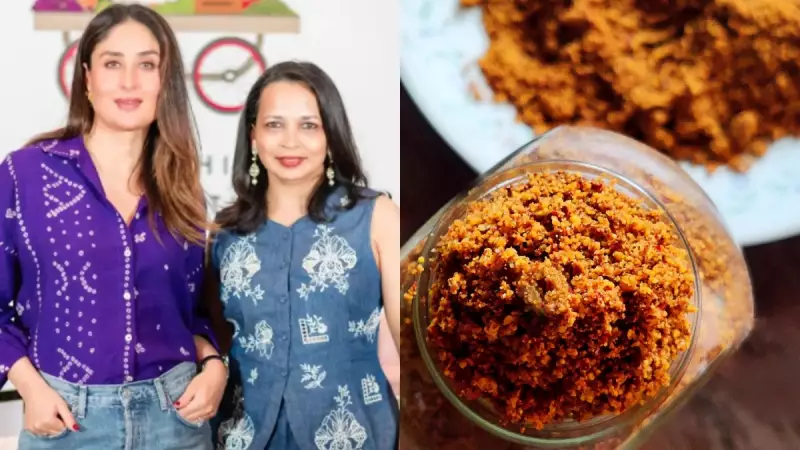
As the winter chill sets in across India, the quest for foods that provide warmth, boost immunity, and maintain energy levels becomes paramount. Renowned celebrity nutritionist Rujuta Diwekar, who guides stars like Kareena Kapoor Khan, has stepped forward with timely and culturally resonant advice. She advocates returning to our culinary roots by embracing traditional Indian winter foods that are not only delicious but also packed with health benefits.
Back to Roots: The Philosophy Behind Traditional Winter Eating
Rujuta Diwekar, a strong proponent of local and seasonal eating, emphasizes that our ancestors had a deep understanding of food science, aligning their diets with the changing seasons. The traditional winter foods she recommends are specifically chosen for their ability to generate internal heat, strengthen the body's defense mechanisms, and provide sustained energy during the colder months. These foods are easily available, affordable, and form an integral part of India's diverse culinary heritage.
Diwekar shared this valuable guidance on her social media platforms, aiming to cut through the noise of fad diets and bring focus back to time-tested nutritional wisdom. Her recommendations are practical, simple to incorporate, and designed for holistic well-being, addressing everything from joint health to digestion.

Essential Traditional Winter Foods Recommended by Rujuta Diwekar
Here is a detailed look at the powerhouse winter foods that Diwekar suggests including in your daily diet:
1. Jaggery (Gur): A staple in Indian households, jaggery is much more than a sweetener. It is rich in iron and helps in preventing anemia, a common concern. Diwekar recommends having a small piece of jaggery after meals. It aids digestion, acts as a natural detoxifier for the liver, and helps keep the body warm from within.
2. Sesame Seeds (Til): These tiny seeds are a nutritional giant in winter. Packed with calcium, healthy fats, and fiber, sesame seeds are excellent for bone health and lubricating joints, which can become stiff in the cold. They can be consumed as til chikki, til ladoo, or simply sprinkled over meals.
3. Edible Gum (Gondh): Often used in traditional sweets like gondh ke ladoo, this ingredient is a winter superstar. Edible gum is known for its heat-generating properties and is traditionally given to new mothers for strength and recovery. It is beneficial for relieving joint pain, boosting energy, and improving overall vitality.
4. Whole Grains like Bajra and Ragi: Millets such as bajra (pearl millet) and ragi (finger millet) are ideal for the winter season. They are high in fiber, calcium, and iron. Rotis made from bajra or porridge from ragi provide long-lasting energy, improve digestion, and help regulate body temperature.
5. Root Vegetables and Winter Greens: Seasonal produce like sweet potatoes (shakarkandi), carrots, beetroots, and leafy greens like mustard (sarson) and spinach (palak) are full of essential vitamins, minerals, and antioxidants. They support immune function and provide the necessary nutrients to fight seasonal infections.
Why This Seasonal Diet Works for Modern Health
Rujuta Diwekar's advice goes beyond mere tradition; it is backed by practical health benefits suited to contemporary lifestyles. In winter, our metabolism naturally slows down, and the body requires nutrient-dense, warming foods. The foods she lists are complex carbohydrates and healthy fats that provide sustained energy release, unlike processed snacks that lead to energy crashes.
Furthermore, these ingredients are inherently designed to tackle common winter ailments. For instance, the combination of gur and til provides iron and calcium, combating fatigue and bone weakness. The anti-inflammatory properties of many of these foods help in managing seasonal aches and pains.
By integrating these foods, one can naturally enhance immunity, improve gut health, and maintain optimal energy levels without relying on supplements or expensive superfoods. Diwekar's message is clear: the best nutritional guide is often found in our own kitchen traditions, passed down through generations.

As we navigate the winter of 2026, this guidance from a top nutritionist serves as a reminder that health is deeply connected to eating locally and seasonally. Embracing gur, til, gondh, and hearty millets is not just a dietary choice but a step towards sustainable and culturally rich wellness.