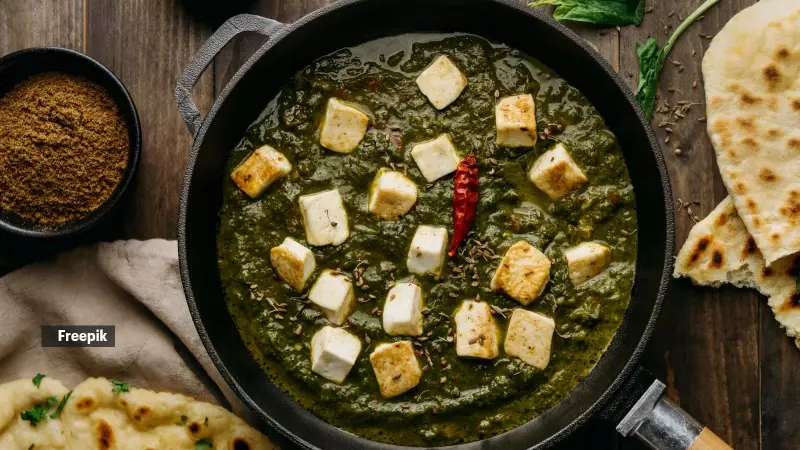
Paneer, the beloved cottage cheese, is a cornerstone of protein for countless vegetarians across India. Yet, a common culinary dilemma persists: does subjecting it to the sizzle of hot oil in frying negate its nutritional benefits? According to a leading expert, the answer focuses less on protein destruction and more on a significant dietary shift that occurs during cooking.
The Real Concern with Frying Paneer
Dt. Shalini Bliss, Head of Dietetics at PSRI Hospital in Delhi, clarifies a crucial point. Proteins are relatively heat-stable, so frying paneer does not eliminate its protein entirely. However, she notes that cooking at extremely high temperatures, such as deep-frying, can slightly denature certain amino acids, affecting protein quality.
The primary issue, she emphasizes, is different. "Frying causes paneer to absorb a substantial amount of oil, significantly increasing its calorie density and saturated fat content," explains Dt. Bliss. This transformation means that while the protein remains largely intact, the overall nutritional profile changes for the worse. This can be particularly problematic for individuals managing weight, cholesterol levels, or heart health.

Healthier Cooking Methods for Maximum Benefit
So, what are the best ways to enjoy paneer without compromising health? Dt. Bliss recommends several methods that preserve nutrients and limit fat intake.
Grilling or pan-roasting paneer uses minimal fat while enhancing its flavour and texture. Steaming, though less common for taste preferences, makes paneer easier to digest and is excellent for those with sensitive stomachs or gut issues. Perhaps the simplest option is consuming fresh paneer in salads, wraps, or sandwiches, as it is the least processed and retains maximum nutrients.
Dt. Bliss also sheds light on the benefits of marination. A good marinade, especially one based on yoghurt with spices like turmeric, ginger, garlic, and cumin, softens the paneer. This allows it to cook faster at lower temperatures, reducing the risk of overcooking and excessive nutrient loss. These spice additions also offer digestive, antioxidant, and anti-inflammatory benefits.
How Much Paneer Should You Eat Daily?
Portion control is key to reaping paneer's benefits. For most adults, 100–150 grams of paneer per day is a reasonable amount, says Dt. Bliss. The ideal intake, however, depends on an individual's activity level, calorie needs, and health objectives.
For weight management, she suggests opting for low-fat or homemade paneer, prepared using grilling, steaming, or consuming it raw. Pairing paneer with fibre-rich vegetables can improve satiety and digestion. For those focused on muscle building, paneer combines well with whole grains and vegetables to create a balanced meal. The expert firmly advises avoiding deep-fried paneer, as its high fat and calorie content can hinder both fitness and weight goals.
This insight from Dt. Shalini Bliss, shared in January 2026, provides a clear guide for paneer lovers to make informed, healthier choices in their kitchens.