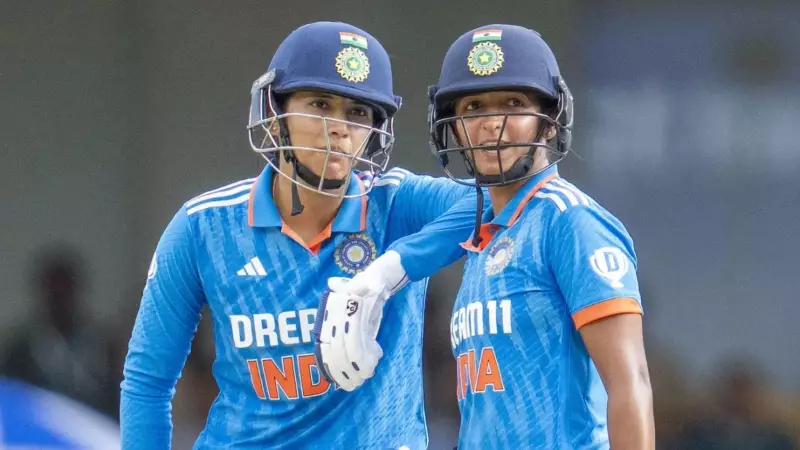
India's celebrated women cricketers, including stars like Harmanpreet Kaur and Smriti Mandhana, have been fighting a critical but often overlooked adversary off the field: widespread nutritional deficiencies and anaemia. According to leading sports nutritionist Ryan Fernando, founder of Qua Nutrition, this issue poses a severe and persistent threat to the health and performance of current and upcoming female athletes in the country.
The Shocking Scale of Nutritional Deficiency
Data from authoritative bodies like the Indian Council of Medical Research (ICMR) and the National Institute of Nutrition paints a grim picture. The statistics reveal that between 44% to 69% of adolescent girls in India are anaemic, with the figure exceeding 70% in certain regions. This iron deficiency is compounded by a lack of other crucial micronutrients like vitamin B12, calcium, magnesium, and vitamin D.
Fernando points to a deep-rooted societal problem where girls frequently receive less food and lower-quality nourishment compared to boys, particularly in terms of essential protein and calorie intake. This disparity sets the stage for a physiological disadvantage before they even step onto the sporting arena.

How Poor Nutrition Impacts Performance and Health
The consequences of these deficiencies are far-reaching and directly detrimental to an athlete's career. Iron deficiency impairs oxygen delivery in the body, leading to chronic fatigue, slow recovery from exertion, and a higher susceptibility to frequent illnesses.
Furthermore, more than fifty percent of adolescent girls suffer from micronutrient deficiencies vital for bone, brain, and muscular health. The fallout includes delayed puberty, menstrual disturbances, and thyroid issues, all of which can severely hamper sports performance. Adding to the problem, Fernando notes that many families, influenced by beauty ideals, discourage girls from playing in the sun, which negatively impacts the natural synthesis of vitamin D.
The Urgent Need for Screening and Intervention
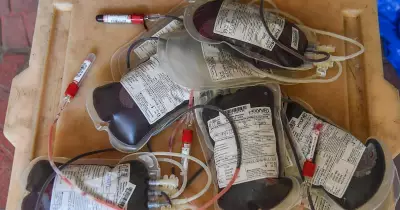
A significant part of the crisis is the lack of early detection. Many girls under the age of fifteen do not undergo routine blood tests for hemoglobin, ferritin, and iron-binding protein, which are essential for identifying deficiencies early. By the time they pursue sports seriously, their bodies are already at a deficit.
The latest National Family Health Survey (NFHS-5) underscores that more than half of all Indian women and children are anaemic. Among young adolescent girls aged 12-14, the rates can be as high as seventy percent. Fernando clarifies that iron deficiency accounts for only about one-third of anaemia cases, with B12 deficiency, folate, zinc, and chronic infections also playing major roles.
The Path Forward: Education and Science-Driven Diets
Despite the challenges, there is a positive shift among elite athletes. Diets rich in lean protein, healthy fats, whole grains, fruits, and vegetables are becoming standard. However, the nutritionist warns that only about one-fifth of rural adolescent girls currently have adequate levels of all key micronutrients, highlighting a vast gap that needs bridging.
Fernando's advice to aspiring cricketers is clear: prioritize balanced, nutrient-rich diets from childhood, seek regular blood screening, avoid crash diets, and understand the critical importance of iron, calcium, protein, B12, and hydration. He emphatically states that science-driven nutrition is no longer a luxury in women's cricket; it is the foundational pillar of health and sporting achievement.
The success of Indian women cricketers stands as powerful proof that with targeted intervention, continuous education, and a focus on proper nutrition, game performance can be dramatically transformed. Combating this silent opponent requires a concerted effort involving food fortification, comprehensive supplementation, and a change in societal attitudes towards nourishing young female athletes.