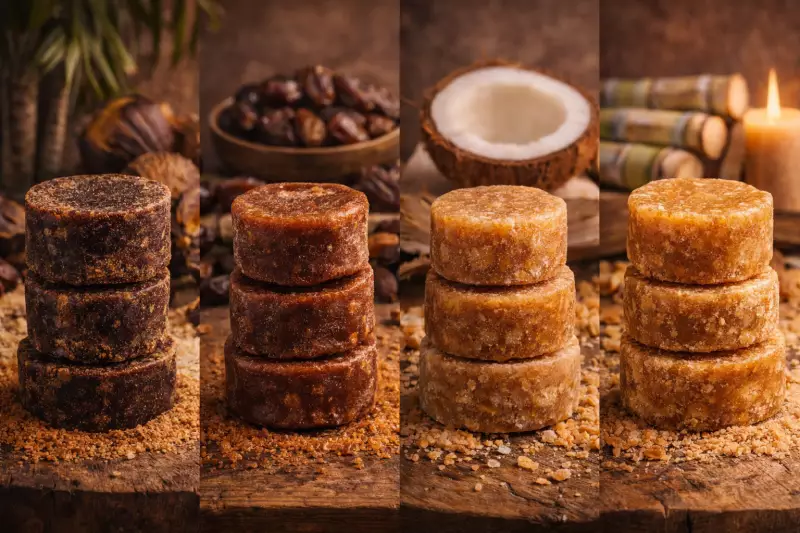
For many health-conscious Indians, jaggery has long been celebrated as a wholesome alternative to refined white sugar. However, a closer look reveals a surprising truth: not all varieties of this traditional sweetener are created equal. While palm, date, coconut, and regular sugarcane jaggery may appear similar in their solid, unrefined forms, they behave in dramatically different ways inside the human body. The choice between them goes beyond mere taste; it's a decision that impacts blood sugar stability, metabolic health, and long-term energy levels.
The Common Choice: Sugarcane Jaggery's Fast Sugar Reality
Regular sugarcane jaggery is the most widely available form across India, produced by boiling and solidifying sugarcane juice. It retains beneficial minerals like iron, potassium, and magnesium, along with some antioxidants, setting it apart from nutritionally empty white sugar. Despite this "mineral halo," its core composition is still high in sucrose. This means it breaks down rapidly into glucose and fructose upon consumption, leading to a quick spike in blood sugar and a corresponding insulin response.
For individuals with insulin resistance, PCOS, diabetes, or those prone to energy crashes, freely using sugarcane jaggery can be problematic. It is metabolically quite similar to sugar, though less processed. This type of jaggery is best suited for highly active individuals who require quick energy or as an occasional winter treat rather than a daily staple.

The Superior Alternatives: Functional Sweeteners
In contrast to sugarcane jaggery, varieties sourced from palms and dates offer more than just sweetness; they act as functional foods with distinct health advantages.
Palm Jaggery: A Boon for Blood and Liver
Derived from the sap of palm trees like palmyra or toddy palm, palm jaggery boasts a more complex nutritional profile. It contains higher concentrations of iron, zinc, and antioxidants. Crucially, it has natural compounds that slow sugar absorption, resulting in a lower glycemic load compared to its sugarcane counterpart. This leads to a gentler rise in blood sugar.
Ayurvedic tradition values it for combating fatigue, anaemia, and hormonal imbalances. Its deeper, slightly smoky caramel flavour is a direct reflection of this slower sugar release, making it an excellent choice for sustained energy without crashes.
Date Jaggery: The Digestive and Hormonal Ally
Made from concentrated date juice, date jaggery (khajur gur) is naturally rich in fibre, potassium, magnesium, and polyphenols. The presence of fibre is key—it significantly decelerates the absorption of sugar, preventing the sharp glucose spikes associated with regular jaggery. This slow energy release makes it ideal for managing sugar cravings, fatigue, and metabolic issues.
It also promotes gut health and enhances iron absorption. Traditionally used in winter for weakness and menstrual health, its taste is a rich, rounded caramel reminiscent of dates.
Coconut Jaggery: The Champion for Blood Sugar and Gut
Extracted from the sap of coconut palm flowers, coconut jaggery stands out with the lowest glycemic index among the four. Its secret weapon is inulin, a prebiotic fibre that slows glucose absorption and nourishes beneficial gut bacteria. This unique property makes it exceptionally helpful for improving insulin sensitivity, supporting gut health, and aiding hormone balance.
It is also a source of potassium, zinc, and antioxidants. With a mild, butterscotch-like flavour, it blends easily into beverages and baking. For anyone prioritizing blood sugar stability, coconut jaggery emerges as the clear winner.
Making the Right Choice for Your Health
The final verdict depends entirely on your personal health objectives. Here is a simple guide:

- For mineral support and liver health: Choose Palm Jaggery.
- For slow energy and iron: Opt for Date Jaggery.
- For blood sugar balance and gut health: Coconut Jaggery is best.
- For a simple natural sugar substitute: Regular Sugarcane Jaggery works, but use it sparingly.
Nutritionally, regular sugarcane jaggery is the weakest of the four, acting primarily as a source of fast sugar with added minerals. Palm, date, and coconut jaggery, however, offer targeted benefits. The source of the sap fundamentally changes how your body processes the sweetness. While sugarcane jaggery delivers energy rapidly, palm jaggery supports blood health, date jaggery aids digestion and hormones, and coconut jaggery actively protects blood sugar levels. The ultimate takeaway is that sweetness does not have to lead to metabolic stress if you select the right variety for your needs.