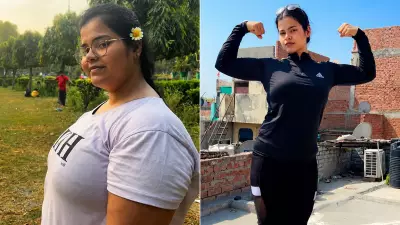
A provocative social media video by Dr. Mansafa Bepari, an MBBS doctor and women's health coach, has ignited a fierce online debate about nutrition, generational gaps, and health in India. The core of her argument is that many health issues plaguing Indians in their 20s and 30s stem not from their own diets, but from the outdated food philosophies inherited from their parents.
The Generational Divide in Nutrition
In her video, Dr. Bepari urges young people not to take offense before hearing her full perspective. She draws a stark contrast between the lived experiences of previous generations and the modern reality. Our parents and grandparents lived in a society of food scarcity, she explains in the caption, where eating more was considered a smart survival strategy.
She elaborates that their lifestyles were fundamentally different: they engaged in prolonged physical labor on farms, walked kilometers daily, and led relatively low-stress lives. In that context, adages like 'Eat more rice,' 'Ghee is medicine,' and 'Finish your plate completely' made perfect sense. The body needed that fuel for its demanding daily activities.

Why Old Advice Fails the Modern Lifestyle
Dr. Bepari contends that this advice becomes harmful when applied to today's sedentary, high-stress routines. But now, you have a high-stress life. You barely move for work, and you sit for hours, she states, arguing that the same dietary commands no longer serve the body's needs.
She paints a typical daily diet for many: a sugar-laden breakfast with refined carbs, a large lunch portion of rice, and a dinner that is either too light or still heavy on carbohydrates. This pattern, she warns, directly leads to a host of early-onset health problems. And then, you complain of visceral obesity, thyroid problems, gut issues, weight issues, hypertension, diabetes, and low energy in your 20s and 30s, Dr. Bepari says in the video.
Her solution is a call to self-education: Nutrition is not emotional. Respect your parents, but learn nutrition. She suggests turning to credible sources on platforms like YouTube to understand modern dietary needs.
Social Media Erupts: Agreement and Backlash
The video resonated with many users who acknowledged the cultural pressure around food. One commenter agreed, Definitely true. Also, habits like finishing the plate even if the tummy is full... are habits learnt from a period of scarcity. Another pointed out, In India, food is equated with LOVE, highlighting the emotional complexity of refusing extra servings.
However, a significant number of users pushed back strongly against the notion of blaming parents. One argued that parents also advocate for exercise and home-cooked meals, but their advice is selectively followed. So, who is at fault, parents or us? they questioned.
Others defended traditional habits, with one user explaining that the finish your plate rule was less about overeating and more about mindful consumption to avoid waste. A particularly strong rebuttal stated, Blaming parents is the easiest thing for our own mistakes, rather than realising our bad habits & lifestyle. This user identified the core issue as easy access to food without the corresponding physical labor required to earn it.
The debate even touched on broader issues like food adulteration and the influence of modern fitness culture, with one comment noting that some gym-goers shun traditional Indian diets for supplements.
Google Trends data indicated a spike in searches for 'Parents' in India around December 26-27, coinciding with the time the video gained traction, underscoring the widespread interest the topic generated.