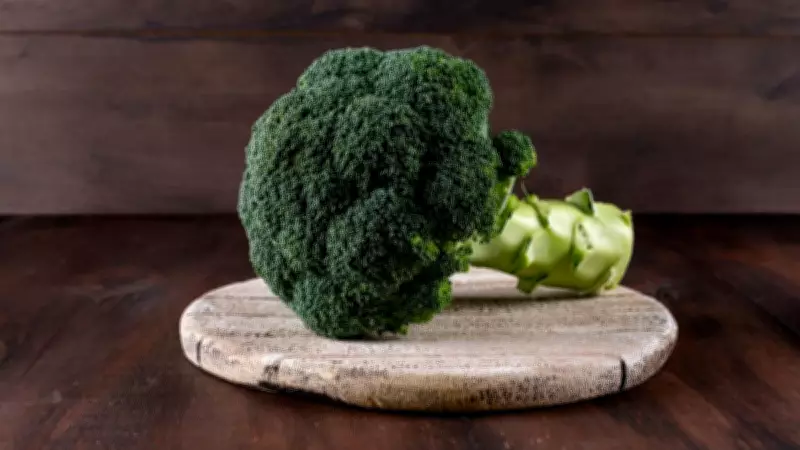
Broccoli's Remarkable Role in Cancer Prevention and Overall Wellness
Broccoli, a cruciferous vegetable celebrated for its dense nutritional value, has emerged as a potent ally in the fight against cancer and the promotion of long-term health. Recent scientific investigations underscore its potential to significantly reduce cancer risk when incorporated regularly into one's diet. This green powerhouse is not merely a side dish but a formidable component of preventive healthcare, thanks to its unique biochemical composition.
The Science Behind Broccoli's Anti-Cancer Properties
At the heart of broccoli's cancer-fighting prowess lies sulforaphane, a sulfur-rich compound that has been extensively studied for its ability to inhibit the growth of cancer cells and induce apoptosis, or programmed cell death. Research indicates that sulforaphane targets and neutralizes carcinogens, thereby lowering the likelihood of malignancies developing in organs such as the colon, prostate, and breast. Furthermore, broccoli is abundant in antioxidants like vitamin C and flavonoids, which combat oxidative stress—a key contributor to cellular damage and cancer initiation.
Nutritional Breakdown: What Makes Broccoli a Superfood
Beyond its anti-cancer effects, broccoli offers a comprehensive nutritional profile that supports overall vitality. A standard serving provides:

- Low Calories: Approximately 55 calories per cup, making it an ideal choice for weight management.
- High Fiber: Essential for digestive health and maintaining stable blood sugar levels.
- Vitamins and Minerals: Rich in vitamin K for bone health, vitamin A for vision, and folate for cellular repair.
- Phytochemicals: Compounds like glucosinolates that enhance the body's detoxification processes.
Practical Tips for Maximizing Broccoli's Benefits
To fully harness broccoli's health advantages, consider these evidence-based recommendations:
- Consume Regularly: Aim for at least 3-4 servings per week to accumulate protective effects against cancer.
- Optimal Preparation: Light steaming or sautéing preserves sulforaphane better than boiling, which can leach nutrients.
- Diverse Incorporation: Add broccoli to salads, stir-fries, soups, or smoothies to ensure consistent intake.
- Combine with Healthy Fats: Pairing broccoli with sources like olive oil can improve the absorption of fat-soluble vitamins.
In summary, broccoli stands out as a nutritional champion with proven potential in cancer prevention and holistic health enhancement. By integrating this vegetable into a balanced diet, individuals can proactively safeguard their well-being while enjoying its versatile culinary applications. Ongoing research continues to validate its status as a cornerstone of preventive nutrition, reinforcing the adage that food can indeed be medicine.