

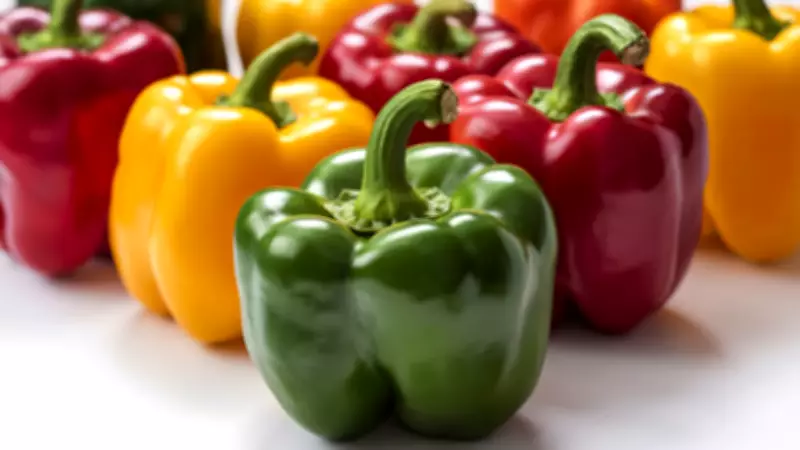
Red, yellow, and green bell peppers may appear as simple color variations, but their hues reveal a deeper story about ripeness, nutrition, and taste. What sits on your plate is not just a vegetable; it is a timeline. Green peppers are the youngest, yellow sit in the middle, and red are fully ripened. This single detail shapes everything from vitamin content to how the body uses them.
Why Color Matters More Than You Think
Bell peppers change color as they ripen on the plant. This natural process increases sugars, softens texture, and boosts certain nutrients. Green peppers are harvested early, tasting slightly bitter and feeling firmer. Yellow peppers are milder, while red ones are sweeter and softer because they have had more time to develop. That extra time matters nutritionally: the longer the pepper stays on the plant, the richer it becomes.
Red Bell Pepper: The Nutrient Powerhouse
Red bell peppers often come out on top in nutrition comparisons. They are especially rich in vitamin C, sometimes offering more than double the amount found in green peppers. They also contain beta-carotene, which the body converts into vitamin A, supporting eye health, skin repair, and immunity. Research published by the National Institutes of Health highlights how vitamin C supports immune defense and helps the body absorb iron better. Red peppers also carry compounds like capsanthin, a powerful antioxidant linked to reduced inflammation. In simple terms, if the goal is maximum nutrition per bite, red peppers take the lead.

Yellow Bell Pepper: The Balanced Middle Ground
Yellow peppers often get overlooked, but they strike a useful balance. They are sweeter than green peppers but lighter than red ones in terms of intensity. Nutritionally, they still provide a solid dose of vitamin C and antioxidants, though slightly less than red peppers. They also contain lutein and zeaxanthin, two compounds linked to eye health that help filter harmful blue light and support long-term vision. Yellow peppers work well for people who want nutrition without the stronger sweetness of red peppers.
Green Bell Pepper: The Underrated Choice
Green peppers may rank lower in some vitamins, but writing them off would be a mistake. They are lower in sugar and calories, making them useful for people watching blood sugar levels or trying to manage weight. Their slightly bitter taste pairs well with savory dishes. They still provide fiber, vitamin C, and essential plant compounds. Because they are harvested early, they are often more affordable and widely available. Sometimes, the best choice is not the most nutrient-dense one, but the one that fits daily habits and budget.
The Best Way to Eat Them for Real Benefits
How bell peppers are eaten matters as much as which one is chosen. Raw peppers retain the highest levels of vitamin C, so slicing them into salads or eating them with dips keeps nutrients intact. Light cooking, like stir-frying or roasting, can improve the absorption of certain antioxidants, especially beta-carotene in red peppers. However, overcooking can reduce vitamin content.
A Practical Approach Works Best
- Use red peppers in salads and sandwiches.
- Add yellow peppers to light sautés.
- Toss green peppers into curries and stir-fries.
Variety, rather than loyalty to one color, brings the most benefit.
So, Which One Is "Best"?
If the question is strictly about nutrient density, red bell peppers stand out. But health is rarely about a single winner. Green peppers support calorie control, yellow peppers offer balance, and red peppers deliver concentrated nutrients. The smartest choice is not picking one; it is rotating all three.
Disclaimer: This article is for general informational purposes only. It is not a substitute for professional medical or dietary advice. Nutritional needs can vary based on individual health conditions, so it is best to consult a qualified expert before making significant dietary changes.






