A longevity doctor has challenged conventional dietary guidelines, stating that adults over the age of 40 may need significantly more protein than currently recommended to maintain muscle mass and overall health. The standard Recommended Dietary Allowance (RDA) for protein is 0.8 grams per kilogram of body weight per day, but emerging research suggests this may be insufficient for middle-aged and older individuals.
The Case for Higher Protein Intake
Dr. Mark Hyman, a renowned physician and longevity expert, argues that the RDA was established decades ago and does not account for the metabolic changes that occur with aging. He explains that after age 40, the body becomes less efficient at utilizing protein, a condition known as anabolic resistance. This means that older adults need to consume more protein to achieve the same muscle-building effect as younger people.
Muscle Loss and Health Risks
Age-related muscle loss, or sarcopenia, begins as early as age 30 and accelerates after 40. This condition is linked to increased frailty, falls, and metabolic disorders. Dr. Hyman emphasizes that adequate protein intake, combined with resistance exercise, is crucial for preserving muscle mass and promoting longevity.

How Much Protein Do You Really Need?
Dr. Hyman recommends that adults over 40 aim for 1.2 to 1.6 grams of protein per kilogram of body weight daily. For a 70-kilogram person, this translates to 84 to 112 grams of protein per day. He suggests spreading protein intake evenly across meals, with each meal containing 30 to 40 grams of high-quality protein.
Best Sources of Protein
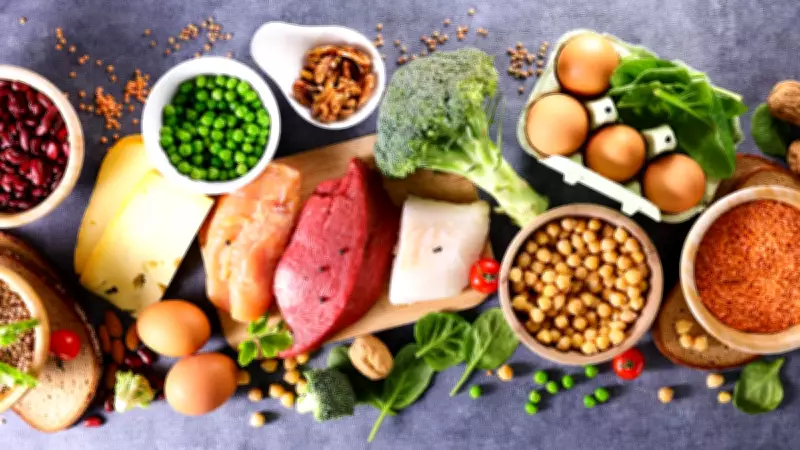
To meet these higher requirements, Dr. Hyman advises focusing on lean meats, poultry, fish, eggs, dairy, legumes, and plant-based proteins like tofu and tempeh. He also highlights the importance of leucine, an amino acid that stimulates muscle protein synthesis, found in whey, soy, and animal proteins.
Concerns About Kidney Health
Some critics worry that high protein intake may harm kidney function, especially in older adults. However, Dr. Hyman notes that for healthy individuals, there is little evidence that higher protein consumption causes kidney damage. Those with pre-existing kidney disease should consult their doctor before increasing protein intake.
In conclusion, the longevity doctor urges a reevaluation of protein guidelines for older adults to support better health outcomes and extend lifespan. He recommends personalized nutrition plans that account for age, activity level, and health status.