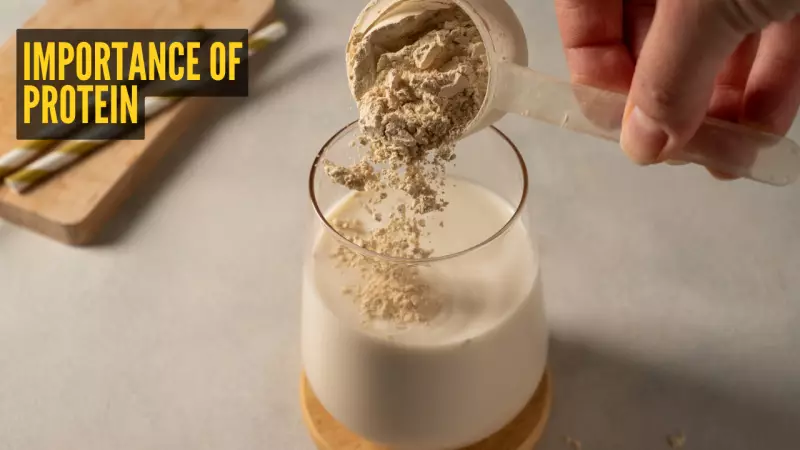
For fitness enthusiasts and health-conscious individuals, protein is a non-negotiable pillar of nutrition. It's essential for building and repairing muscles and bones, regulating hormones and enzymes, and supporting a robust immune system. However, many commercial protein supplements come with a hidden cost: a cocktail of preservatives. Renowned expert Dr. Hansa Yogendra has shared three simple, effective, and completely natural homemade replacements for protein powder shakes that anyone can prepare in their kitchen.
The Critical Role of Protein in Your Diet
Protein is far more than just a muscle-building nutrient. Scientific research, including a study titled 'Protein quality, nutrition and health', underscores that dietary proteins provide the vital amino acids and nitrogen that form the foundation of our body's tissues and functions. A deficiency can lead to serious issues like stunting, anemia, a weakened immune response, and increased vulnerability to infections. Conversely, adequate protein intake promotes satiety for weight management, aids muscle recovery, and studies link it to lower blood pressure, reducing risks of hypertension, heart attacks, and strokes.
Dr. Hansa Yogendra's 3 Preservative-Free Protein Solutions
Moving away from processed supplements, here are three powerful homemade alternatives that deliver clean, high-quality protein.

1. Nutrient-Dense Seeds and Nuts Protein Powder
This powerhouse blend combines the goodness of various seeds and nuts. In a non-stick pan, dry roast ¼ cup each of pumpkin seeds, flax seeds, oats, almonds, pistachios, walnuts, and peanuts for about two minutes until slightly browned. Let the mixture cool, then add ¼ cup of chia seeds. Grind everything into a fine powder and store it in an airtight container.
How to use: For a daily protein boost, mix one tablespoon of this powder into any plant-based or animal milk, or blend it into a smoothie. This drink can become a cornerstone of a healthy diet.
2. The Traditional Sattu Drink for Satiety
A beloved Indian staple, sattu (roasted Bengal gram flour) is a fantastic protein source. To make the drink, take a saucepan and add 5 to 6 tablespoons of sattu powder. Mix in 7-8 fresh mint leaves, juice of half a lemon, 1 tablespoon of jeera (cumin) powder, and a glass of lukewarm water. Season with rock salt to taste, stir well, and consume every morning.
This drink is suitable for all age groups. Its high protein and fiber content promotes a feeling of fullness, helping you avoid junk food between meals and supporting natural weight loss.
3. Powerful Five Seeds Protein Powder
This recipe focuses on the potent nutrition of seeds. In a non-stick pan, separately dry roast ½ cup of hemp seeds and ½ cup of chia seeds until their aroma is released. Let them cool. Similarly, roast ¼ cup of flax seeds, ½ cup of pumpkin seeds, and ½ cup of sunflower seeds, taking care not to burn them. Once cooled, grind all the roasted seeds into a fine powder. For enhanced flavor, you can add ¼ spoon of vanilla powder.
How to use: Consume one tablespoon of this powder mixed with yogurt, milk, or a smoothie. Vegans can sprinkle it over salads or mix it into soups. You can prepare this powder in bulk, maintaining the same ratios, for convenient storage and use.
Embracing Natural Nutrition for Holistic Health
These homemade alternatives presented by Dr. Hansa Yogendra offer a transparent, cost-effective, and healthy way to meet your protein requirements without artificial additives. They align with a holistic approach to wellness, leveraging traditional ingredients like sattu and modern superfoods like chia and hemp seeds. As with any dietary change, it is crucial to consult with your doctor or a nutritionist before starting a new routine to ensure it aligns with your individual health needs.
Disclaimer: The information provided here is for general knowledge purposes only and should not be considered a substitute for professional medical advice. Always consult your healthcare provider before making significant changes to your diet.