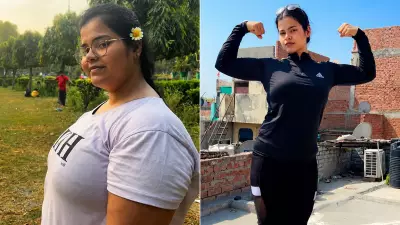
As the new year dawns, countless individuals across India pledge to transform their eating habits as part of their New Year resolutions. For 2026, health experts deliver one fundamental, unanimous message: prioritize whole, minimally processed foods and completely eliminate ultra-processed items from your plate. This shift is non-negotiable for achieving long-term health and wellness.
The Foundational Rule: Quality Over Everything
Leading nutritionists and doctors confirm that ultra-processed foods are directly linked to a higher risk of chronic diseases, poor gut health, impaired micronutrient absorption, and compromised metabolic health. The consensus is clear: for Indians specifically, improving diet involves reducing carbohydrate intake and significantly increasing protein consumption from sources like chicken, eggs, lentils, and dairy.
Fiona Sampat, a clinical dietician at Mumbai's Kokilaben Dhirubhai Ambani Hospital, emphasizes that nutrition is never one-size-fits-all. Needs vary by age, gender, gut health, activity, and sleep. "In 2026, shift your focus from calorie counting to food quality and meal timing," Sampat advises. She notes that while social media glorifies calories, when you eat is equally crucial. Regular meal times, well-distributed protein through the day, and avoiding long gaps between meals support robust metabolism.

Her holistic strategy includes meal planning, building supportive networks, and incorporating mindfulness. "Overall, prioritize sleep, get regular exercise, stay hydrated, and consume whole foods while cutting back on sweets, processed foods, and alcohol," she recommends for sustainable change.
Practical Plate Principles and Mindful Habits
Dr. Poonam Sharma, Director for Clinical Programs at Healthify, provides a simple framework for every meal. Start by building your plate around a protein source—such as chicken, eggs, tofu, lentils, fish, Greek yogurt, paneer, or lean meat. "Protein promotes satiety, curbs unnecessary snacking, and leads to better daily food choices," Sharma explains. Next, fill half your plate with fibre-rich vegetables, fruits, beans, lentils, and whole grains to aid digestion and stabilize energy.
For busy professionals, Sharma advocates for stocking frozen whole foods like spinach, mixed veggies, and berries. They are economical, reduce waste, and offer quick nutrition boosts—think frozen spinach in an omelet or dal, or berries in yogurt.
Echoing the behavioral aspect, Cult's nutrition expert Madhura P. Behki champions mindful eating. "Slow down," she urges. Disconnect from distractions during meals, listen to hunger and fullness cues, and remember that thirst is often mistaken for hunger. "Sip water first," she suggests.
Deepti Khatuja, Chief Clinical Nutritionist at Fortis Memorial Research Institute in Gurugram, advises having small, frequent meals with fibre and protein-rich snacks. Her cornerstone advice is to stick to freshly prepared home-cooked meals and strictly limit fried foods, sugary drinks, and bakery items.
The Future: AI-Personalized Nutrition
2026 will see Artificial Intelligence reshaping dietary planning for fitness enthusiasts and athletes. AI tools will simplify meal logging and nutrient estimation, moving past manual tracking. Systems like continuous glucose monitors and nutrient optimization apps will analyze complex genetic, metabolic, and environmental data to create highly personalized routines.
"AI will create plans keeping all macros, supplements, and hydration in mind, unique to your needs, all in one click," notes Behki. However, Khatuja offers a vital caveat: AI is an enhancer, not a replacement for human expertise. A qualified nutritionist provides irreplaceable context and safeguards against negative health outcomes.
As India steps into 2026, the path to better health is defined by conscious choices: embracing whole foods, mindful eating, home cooking, and leveraging technology wisely, all under the guidance of expert wisdom.