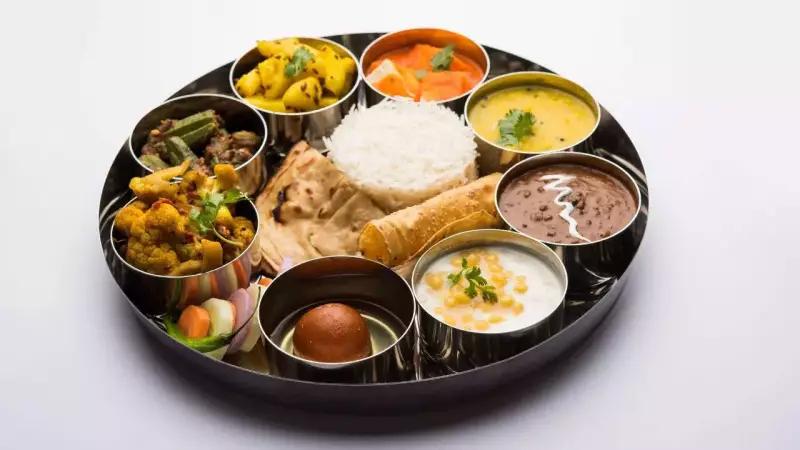
For many, the word 'protein' instantly conjures images of meat and eggs. However, the rich tapestry of Indian vegetarian cuisine is a hidden treasure trove of this essential nutrient. From the humble dal simmering in every kitchen to the versatile paneer and nourishing nuts, Indian vegetarians have a vast array of delicious and affordable options to meet their protein needs. Incorporating these foods can lead to noticeable health improvements for everyone, from students and professionals to fitness enthusiasts.
The Critical Role of Protein in a Vegetarian Diet
A study titled 'Dietary Protein and Amino Acids in Vegetarian Diets', published in the National Library of Medicine, underscores the importance of protein for vegetarians. It highlights protein's crucial role in tissue building, repair mechanisms, and maintaining muscle and metabolism. The key for a healthy vegetarian diet is to combine various plant proteins to ensure the intake of all essential amino acids. Traditional Indian cuisine naturally achieves this through its intelligent combination of dals, grains, dairy products, and seeds, providing ample protein when consumed properly.
Your Guide to the Top 10 Indian Vegetarian Protein Sources
Here is a comprehensive list of powerhouse vegetarian foods that are staples in Indian households, proving that a protein-rich diet is both accessible and economical.

1. Lentils (Dal)
Moong, masoor, toor, and urad dal are foundational protein sources in Indian cooking. Easily digestible and the base of countless dishes, a simple bowl of dal delivers a solid dose of protein along with beneficial fibre.
2. Chickpeas (Chana)
High in both fibre and protein, chickpeas promote long-lasting satiety. They are incredibly versatile, perfect for salads, curries, or snacks, and also play a role in helping regulate blood sugar levels.
3. Paneer (Cottage Cheese)
Paneer is celebrated as one of the richest sources of protein in the vegetarian palette. It is highly beneficial for muscle building and weight management. Its adaptability allows it to be grilled, fried, or cooked in rich gravies.
4. Soybeans and Soy Products
Soybeans are a complete protein, containing all essential amino acids. Derivatives like tofu, soy chunks, and soy milk are excellent choices for vegetarians looking to significantly boost their protein intake.
5. Milk and Curd
Dairy staples like milk and curd are rich in high-quality proteins and calcium. Curd, in particular, supports a healthy gut and digestive system, making it a doubly beneficial addition to daily meals.
6. Peanuts (Moongphali)
An affordable and protein-packed snack, peanuts can be enjoyed roasted, as chaat, or in the form of peanut butter. They are also a good source of healthy fats that contribute to heart health.
7. Almonds (Badam)
Almonds are nutrient-dense, packed with protein, healthy fats, and Vitamin E. The common practice of soaking almonds overnight and consuming them in the morning is a simple way to harness their benefits.
8. Green Peas (Matar)
Don't let their small size fool you. Green peas are surprisingly protein-rich and can be effortlessly added to sabzis, pulao, soups, and even stuffings.
9. Quinoa
While not traditionally Indian, quinoa has gained popularity for its high protein content and status as a complete protein. It serves as a excellent gluten-free substitute for rice in dishes like pulao and salads.
10. Pumpkin Seeds
These tiny seeds are a nutritional powerhouse. They can be roasted for a crunchy snack, blended into smoothies, or sprinkled over salads and curd for an instant protein and nutrient upgrade.
Embracing a Protein-Packed Lifestyle
The beauty of incorporating these foods lies in the minimal effort required. Most are already pantry staples, making it easy to enhance your daily meals without drastic dietary changes. By consciously including a variety of these protein-rich Indian vegetarian foods, you can effortlessly fulfill your nutritional requirements, support your body's vital functions, and embark on a path to sustained health and vitality.