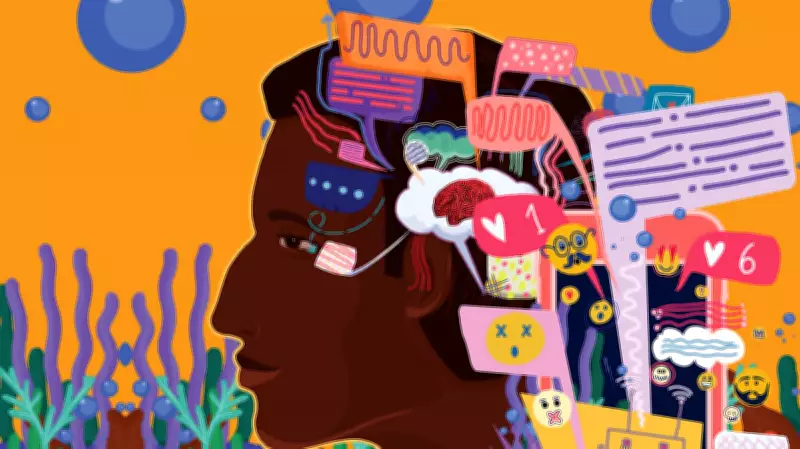
In recent years, the language of mental health has undergone a dramatic transformation, shifting from the quiet confines of therapy clinics into the bustling spaces of cafes, the fast-paced world of social media reels, and the intimate dynamics of personal relationships. Terms like "narcissist," "toxic break-ups," and other therapy jargon are now commonplace in everyday conversations, sparking a widespread trend that experts are calling "hashtag healing" or "trauma trending." This phenomenon raises critical questions: as mental health terminology becomes mainstream, are we gaining greater emotional clarity and awareness, or are we losing the nuanced understanding that these concepts originally conveyed?
The Rise of Therapy Jargon in Daily Life
The proliferation of mental health language into popular culture can be attributed to several factors. Social media platforms, particularly Instagram and TikTok, have played a pivotal role in disseminating therapy concepts through short videos, memes, and hashtags. Influencers and content creators often use terms like "gaslighting," "boundaries," and "attachment styles" to discuss personal experiences, making these ideas more accessible to a broader audience. This has led to a surge in public awareness about mental health issues, encouraging more people to seek help and engage in conversations about emotional well-being.
From Clinical Settings to Casual Conversations
Originally, therapy jargon was developed within clinical psychology to provide precise descriptions of complex emotional and psychological states. For instance, "narcissistic personality disorder" is a specific diagnosis with defined criteria, but in everyday use, it is often loosely applied to describe anyone perceived as self-centered. Similarly, "toxic" has evolved from a clinical term related to harmful substances to a catch-all label for unhealthy relationships or environments. This shift from specialized terminology to casual slang has both positive and negative implications.

Benefits of Mainstream Mental Health Language
On the positive side, the normalization of therapy jargon has democratized mental health knowledge. It has reduced stigma around discussing emotional struggles, making it easier for individuals to articulate their feelings and seek support. For example, someone might use the term "anxiety" to describe their stress levels, prompting friends or family to offer understanding and resources. This increased vocabulary can empower people to recognize patterns in their behavior and relationships, leading to healthier choices and improved self-awareness.
Potential Drawbacks and Loss of Nuance
However, the widespread use of therapy jargon also comes with risks. When complex psychological concepts are simplified for mass consumption, they can lose their depth and accuracy. Mislabeling situations or people based on superficial understanding may lead to misunderstandings, conflict, or even harm. For instance, casually calling a partner a "narcissist" without proper diagnosis can trivialize serious mental health conditions and damage relationships. Moreover, this trend might encourage a culture of over-diagnosis or self-diagnosis, where individuals rely on internet trends rather than professional guidance.
Expert Insights and Future Implications
Mental health professionals, like Smitha Murthy, emphasize the importance of balancing accessibility with accuracy. While it is beneficial for therapy language to reach wider audiences, it is crucial to maintain the nuance and context of these terms. Experts suggest that education and critical thinking are key—encouraging people to learn about mental health from reliable sources and consult professionals when needed. As this trend continues to evolve, it will be essential to monitor its impact on societal attitudes toward mental health and ensure that the conversation remains informed and compassionate.
In conclusion, the movement of therapy jargon from clinics to cafes and reels represents a significant cultural shift. It offers opportunities for greater emotional clarity and reduced stigma, but also poses challenges related to oversimplification and misuse. By fostering a more nuanced understanding of mental health language, society can harness this trend for positive change while avoiding potential pitfalls.