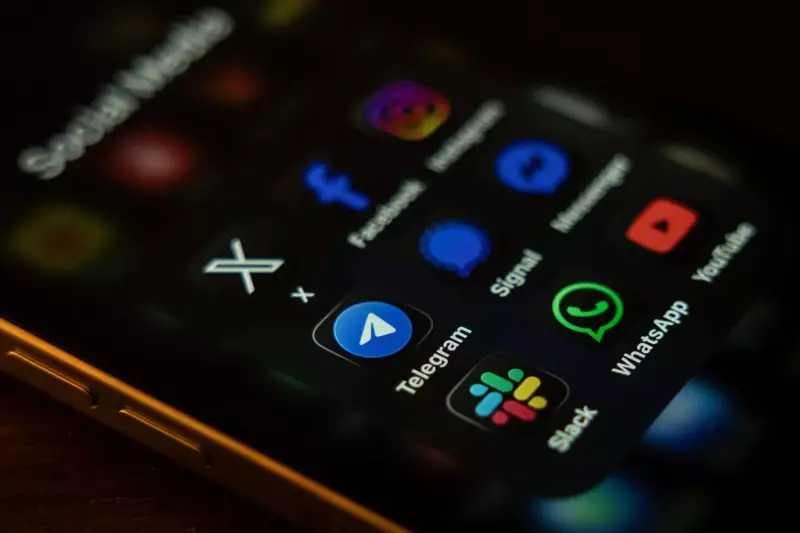
The Double-Edged Sword of Social Media
In today's digitally connected India, social media platforms present a complex paradox that demands serious discussion. These platforms, while promising global connectivity, often deliver unexpected consequences for mental wellbeing. Dr. Vaishaly Bharambe, MBBS, MD, PhD-Anatomy, Counsellor and Medical Educator, provides crucial insights into this modern dilemma affecting millions of Indians.
The Dark Side of Digital Connectivity
Social media creates an illusion of connection while actually propagating loneliness and isolation. Many users find themselves prioritizing virtual relationships over real-world connections, leading to emotional emptiness. The constant exposure to curated lives creates an obsessive culture of comparison and showiness that has emerged strongly in India over the past 15-20 years.
The traditional Indian empathy that once prevented people from sharing holiday photographs to avoid hurting those who couldn't afford similar trips has largely disappeared. Now, endless scrolling consumes our attention, passively engaging our brains in living others' lives through screens while missing crucial downtime that every organ requires.

Our neurochemistry faces unprecedented challenges as emotions, dopamine, and serotonin get triggered without actual life experiences. This digital stimulation drains the mind, disrupts sleep patterns, and creates fatigue without genuine life moments. The ultimate paradox emerges: social media leaves us increasingly inexperienced in handling real-life situations.
From Cyberbullying to Support Systems
The platform's negative aspects extend to outright cyberbullying and more subtle psychological impacts. Even acts of kindness shared online can become a form of bullying through the Fear Of Missing Out (FOMO) experienced by viewers. This constant exposure to others' highlighted moments creates anxiety and dissatisfaction among users.
However, not everything about social media is detrimental. These platforms have become vital tools for creating support groups, particularly for mental health conditions. Numerous online communities now provide acknowledgment, acceptance, and guidance for various ailments, especially those related to psychological suffering.
Patients and caregivers share information about treatment options and personal experiences in socially acceptable digital spaces. This represents one of social media's most significant positive contributions to modern healthcare and community support.
Finding Balance in the Digital Age
Like any technological progress, social media undoubtedly has its place in contemporary society. The key lies in developing wisdom in our digital consumption. Concepts like digital detox, limited screen time, and comprehensive digital literacy must become integral to our lives.
By implementing these practices, social media can transform from a weapon of psychological decline into a powerful tool for social growth. The responsibility rests with users to establish boundaries and with society to promote digital education that emphasizes healthy online habits.
Dr. Bharambe emphasizes that with conscious effort and proper guidance, we can harness social media's benefits while minimizing its harmful effects. The journey toward digital wellness begins with recognizing both the opportunities and dangers these platforms present to mental health.