

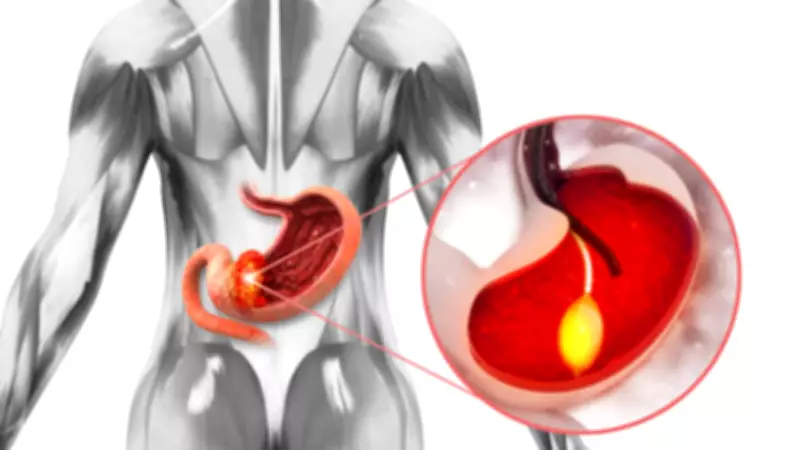
Cancer can be an unforgiving adversary. Even after undergoing extensive surgery, rigorous chemotherapy, or intensive radiation therapy, the disease sometimes persists, refusing to retreat. This persistence often plunges patients and their families into a whirlpool of fear and uncertainty, leaving them feeling helpless and out of options.
Modern Medicine's Evolving Arsenal
However, the field of medicine is far from static. Today's oncologists have access to advanced tools and innovative techniques that were unimaginable just a decade ago. When conventional treatments prove ineffective, these cutting-edge methods provide a renewed sense of hope, offering patients another chance when traditional paths have reached a dead end.
A Case Study in Surgical Excellence
A remarkable example of this medical progress comes from Fortis Hospital in Manesar, where Dr. Vinay Gaikwad, Director of Surgical Oncology, successfully treated a 68-year-old patient from North Delhi. The patient presented with a large, locally advanced pancreatic tumor—a stage where cancer has invaded nearby major blood vessels or organs, making surgical removal particularly challenging.

While other specialists recommended three cycles of neoadjuvant chemotherapy to shrink the tumor before attempting surgery, Dr. Gaikwad's team opted for a more direct, expert-led approach. They decided to perform the Whipple Procedure, also known as Pancreaticoduodenectomy, without prior chemotherapy.
Understanding the Whipple Procedure
This complex operation is specifically designed to treat malignant tumors located in the head of the pancreas. It represents a life-saving intervention that involves the removal of multiple organs followed by meticulous reconstruction of the digestive system. The procedure consists of two main phases:
- Organ Removal: The surgical team removes the head of the pancreas, the duodenum (the first segment of the small intestine), the gallbladder, and the distal bile duct. In certain cases, part of the stomach or adjacent lymph nodes may also be excised.
- Reconstruction: To restore digestive continuity, the remaining organs are carefully reconnected. The pancreas is attached to the small intestine, the bile duct is linked to the small intestine to ensure proper bile flow, and the stomach is reattached to the small intestine to allow food passage through the digestive tract.
Surgical Success and Patient Recovery
Dr. Gaikwad's team executed the Whipple procedure with exceptional precision, achieving clear margins—meaning no cancer cells remained at the edges of the removed tissue. This outcome is particularly significant as it was accomplished without the preliminary step of chemotherapy. The patient has since made a full recovery and is currently doing well, demonstrating the procedure's effectiveness even in advanced cases.
The Broader Implications for Cancer Care
This case underscores a crucial message in oncology: while cancer may not always respond as desired, medical science continues to advance relentlessly. Innovations like the Whipple procedure exemplify how specialized surgical techniques can offer hope where conventional treatments have faltered. For patients facing complex, advanced-stage cancers that resist traditional therapies, such approaches can indeed make all the difference, turning seemingly impossible situations into stories of survival and recovery.
The journey through cancer treatment is often arduous, but developments in surgical oncology remind us that there is always room for hope. As medical knowledge expands and techniques refine, patients gain access to more options, empowering them to fight even the most formidable cancers with renewed confidence.






