

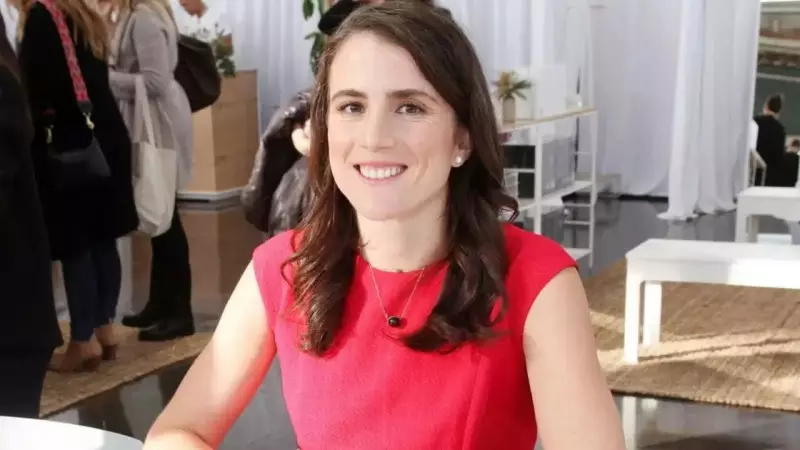
In a heartbreaking turn of events, Tatiana Schlossberg, the environmental journalist and daughter of Caroline Kennedy, has passed away at the age of 35. Her death on December 30 came just a month after she publicly revealed her cancer diagnosis in a deeply personal essay published in The New Yorker magazine.
A Private Battle Made Public
Schlossberg, who was the granddaughter of former US President John F. Kennedy, shared her difficult journey in the essay published on November 22, 2024. This date marked the 62nd anniversary of her grandfather's assassination. She disclosed that she was diagnosed with acute myeloid leukaemia (AML) in May 2024, when she was 34 years old.
The discovery was made after the birth of her second child, when her doctor noticed an abnormally high white blood cell count. Further tests revealed she had a rare mutation of AML, a type of cancer more commonly seen in older individuals.

Aggressive Treatment and a Devastating Prognosis
In her writing, Schlossberg detailed the intense medical interventions she underwent in hopes of beating the disease. Her treatment included multiple rounds of chemotherapy and two stem cell transplants. The first transplant used cells donated by her sister, while the second came from an unrelated donor. She also participated in several clinical trials in search of a cure.
Despite these exhaustive efforts, the prognosis remained grim. During her latest clinical trial, her doctor delivered the crushing news that he might be able to keep her alive for about another year. This prognosis proved tragically accurate.
Political Critique and Family Plea
Beyond her personal health struggle, Schlossberg used her platform to voice strong criticism against health policies championed by her cousin, Robert F. Kennedy Jr., the US Health and Human Services Secretary. She expressed concern that his actions could harm cancer patients like herself.
Specifically, she pointed to his role in cutting nearly half a billion dollars dedicated to research into mRNA vaccine technology. "Technology that could be used against certain cancers," she wrote, highlighting the potential lost opportunities for future treatments. Her mother, Caroline Kennedy, echoed these concerns by urging US senators to reject Kennedy's confirmation, linking policy decisions to real-world patient outcomes.
Personal Fears and Family Grief
The essay was not just a medical or political account; it was a raw emotional document. Schlossberg wrote poignantly about her deepest fears—that her young daughter and son would grow up without memories of their mother. She shared her feeling of being cheated, saddened that she would not get to continue "the wonderful life" she had built with her husband, George Moran.
She also carried the heavy burden of her family's pain. "For my whole life, I have tried to be good... to protect my mother and never make her upset or angry," she confessed. "Now I have added a new tragedy to her life, to our family’s life, and there’s nothing I can do to stop it." She noted that while her parents and siblings tried to shield her from their sorrow, she felt it acutely every single day.
Tatiana Schlossberg's brave decision to share her story transformed a private tragedy into a public conversation about healthcare, medical research, and the human cost of political decisions. Her words stand as a powerful testament and a final call for empathy and action in the fight against cancer.






